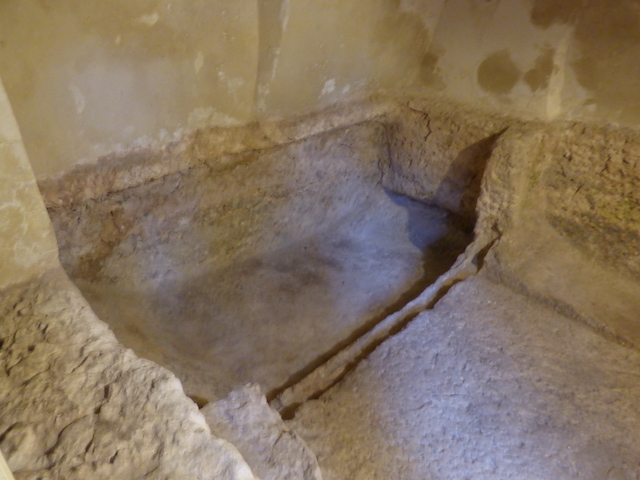
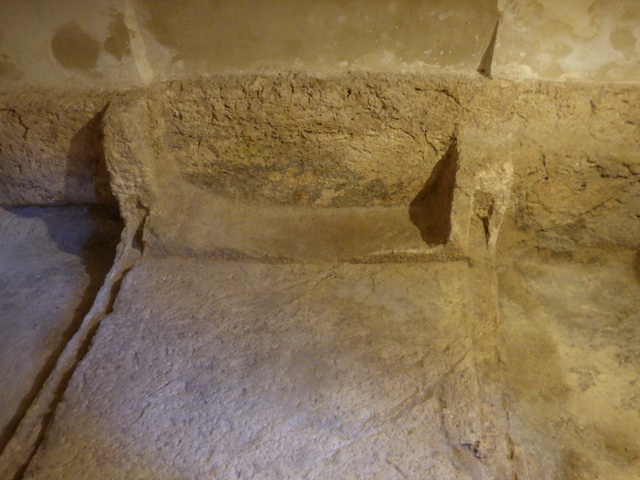
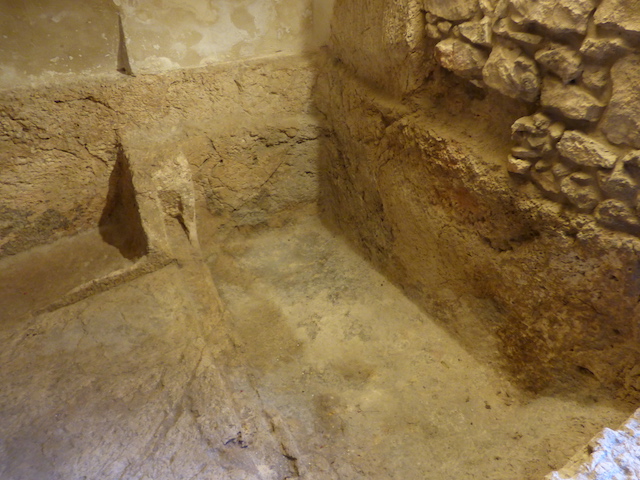
Our final day in Israel was a whirlwind. We went from a full day of touring to our farewell dinner, then almost immediately to the airport and (for me) 25 hours of travel (including layovers, flights, and driving). Consequently, I’m only now able to upload the photos for Day 7.
Israel Museum
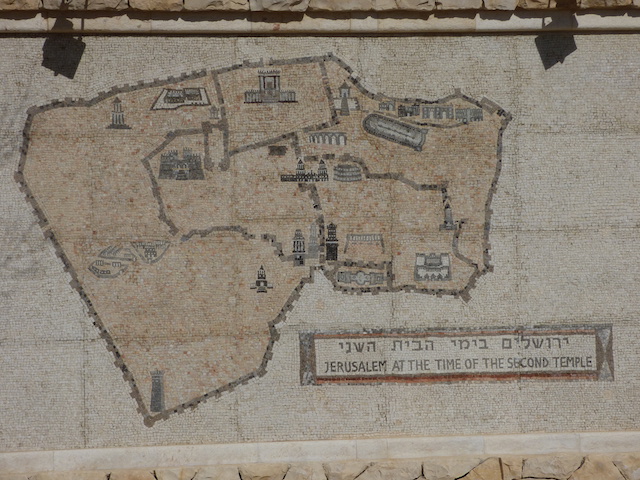
Our last day included stops at two major museums in Jerusalem. The first is the Israel Museum. It includes two major exhibits – a model of the city of Jerusalem at the time of the 2nd temple (1st century before 70 AD) and the Shrine of the Book which displays fragments of the Dead Sea Scrolls. Unfortunately, photography is not permitted in the Shrine of the Book. However, it has long been a dream of mine to visit this museum and see the Isaiah scroll. It was amazing.
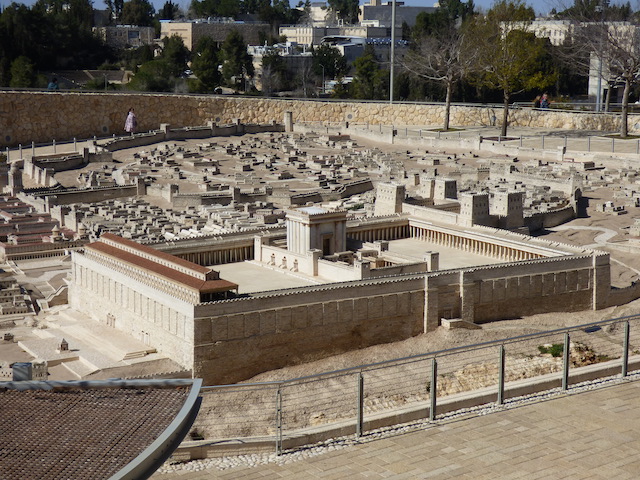
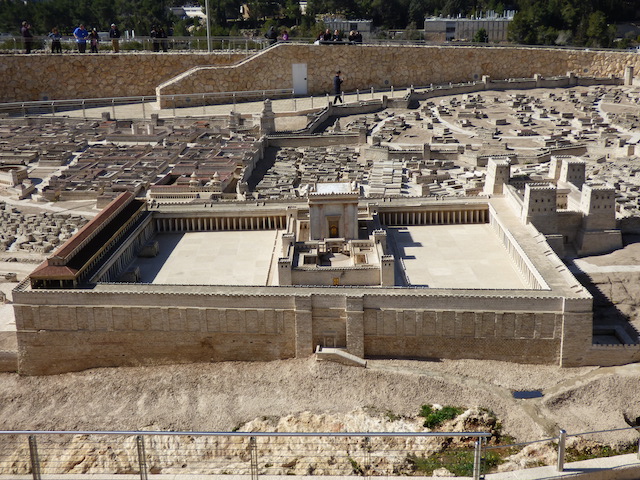
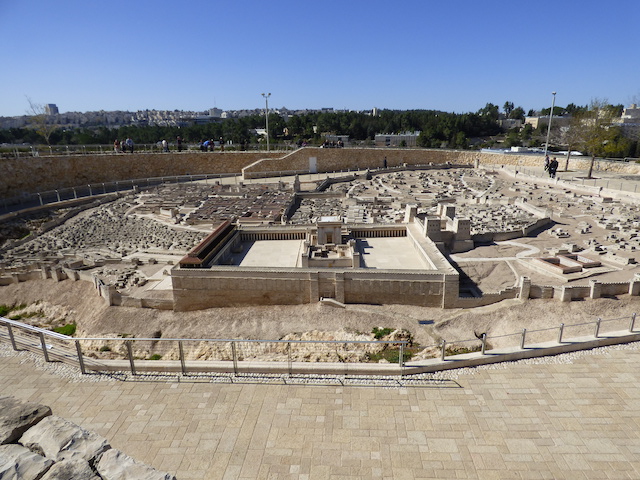
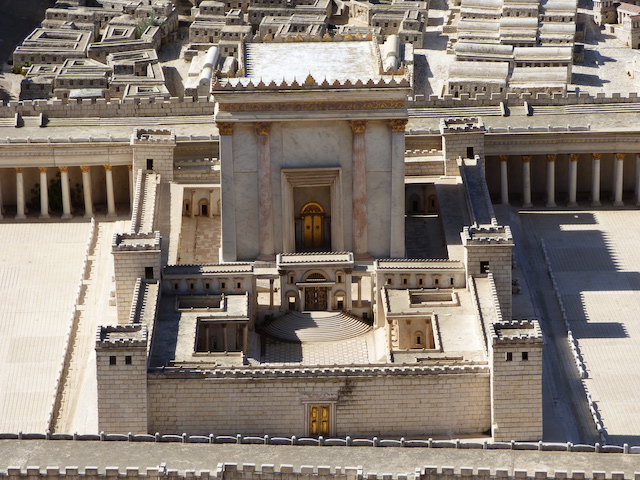
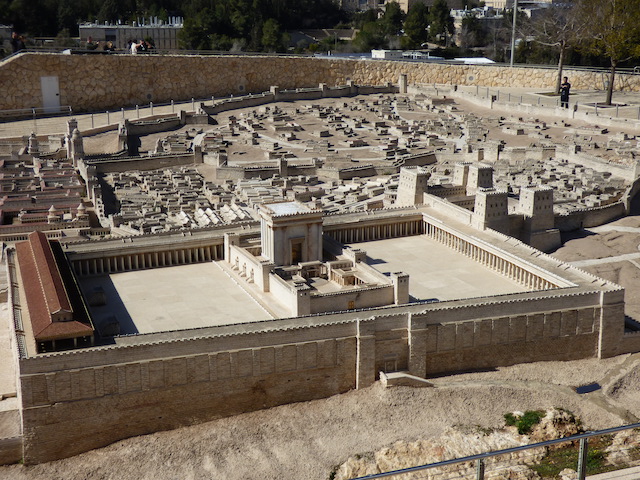
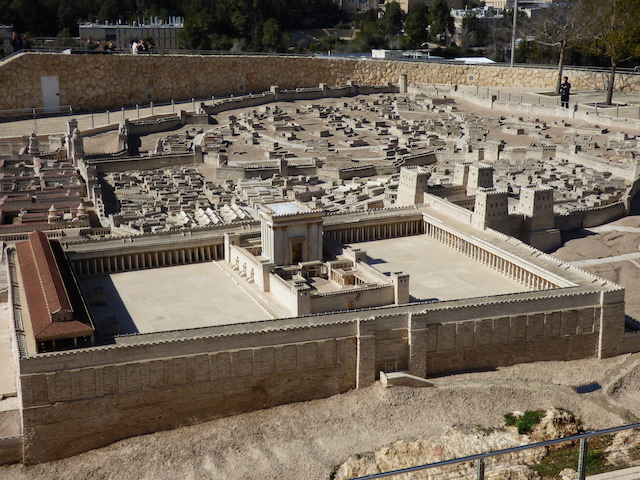
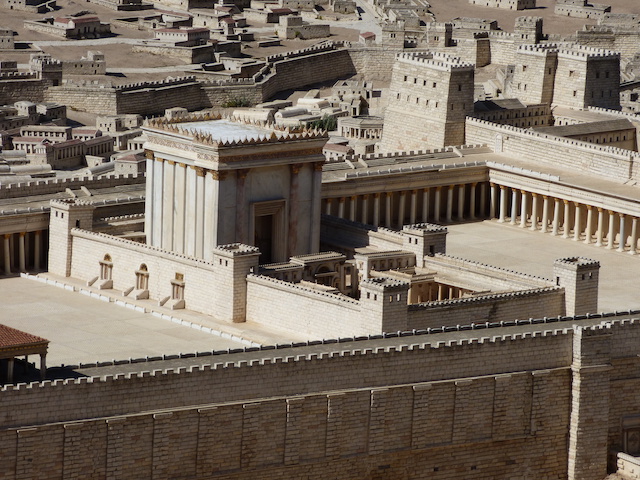
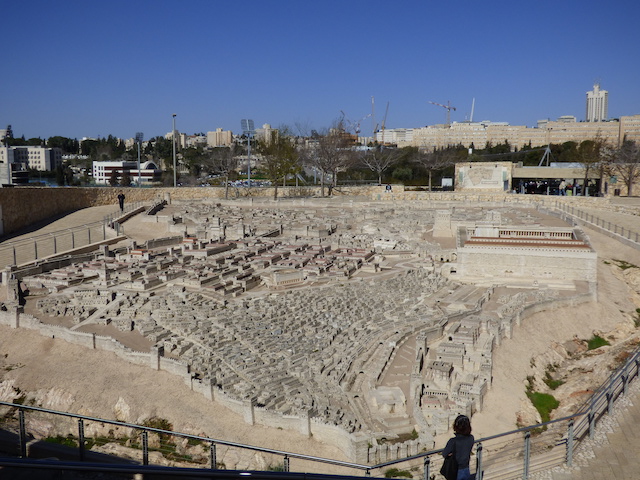
Here are shots of the huge scale model of the 1st century city of Jerusalem and the 2nd temple.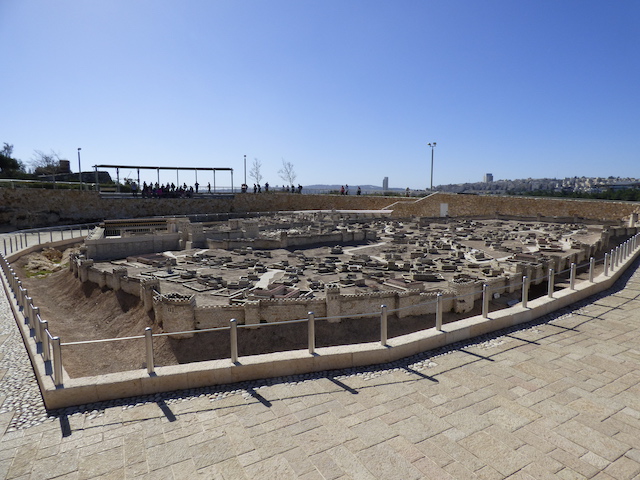
This is a view of the city from the north.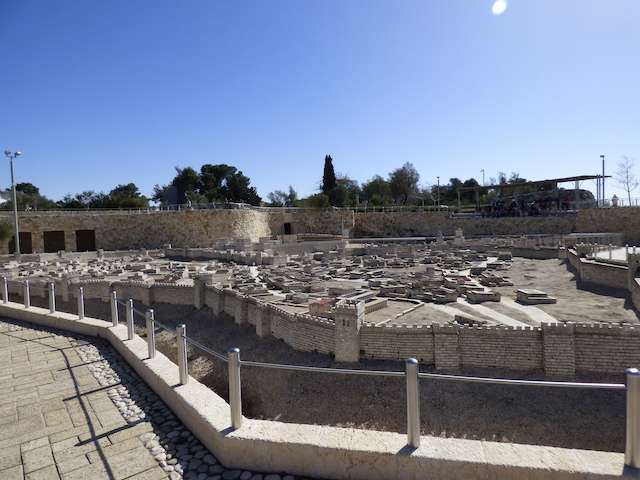
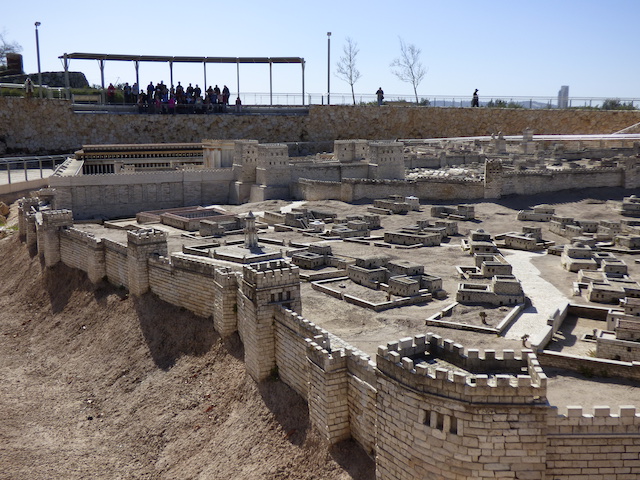
Here is the Pool of Bethesda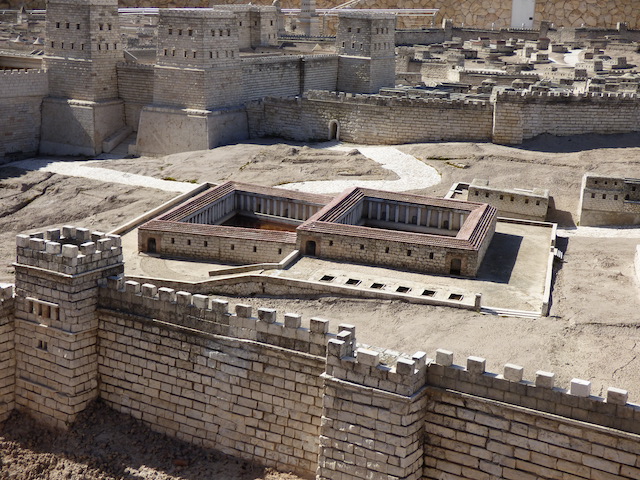
The original “Golden Gate” in the eastern wall of the city.
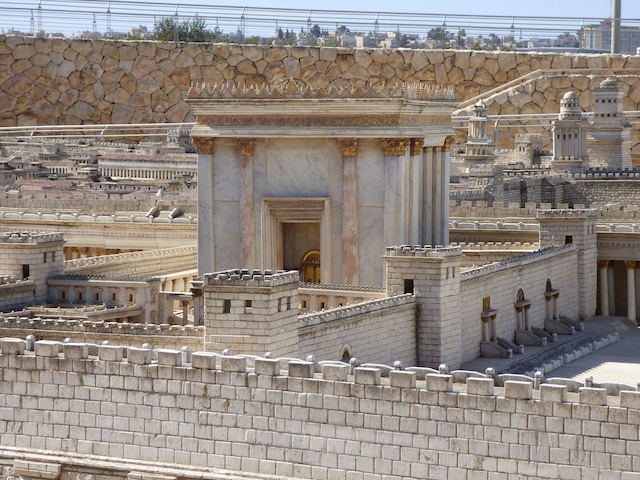
The Antonia fortress where Pilate conducted Jesus’ trial.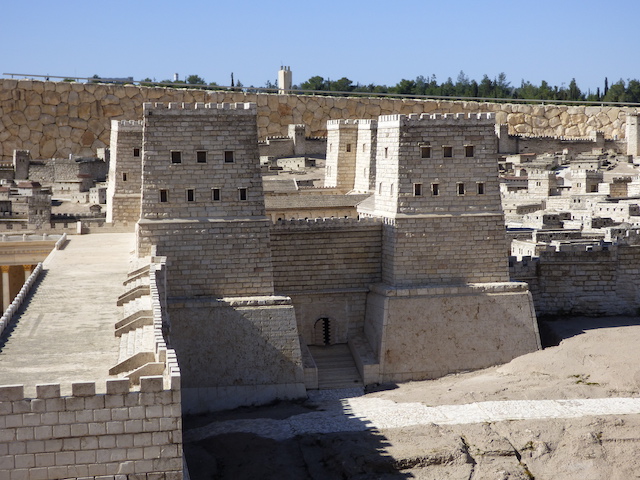
A view of the Golden Gate and the temple from the Mount of Olives.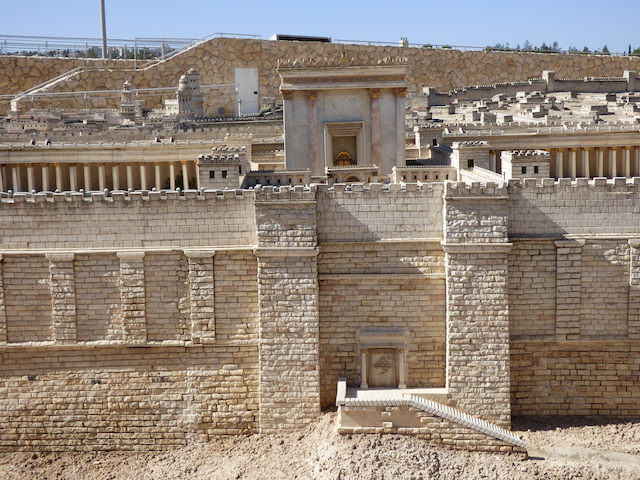
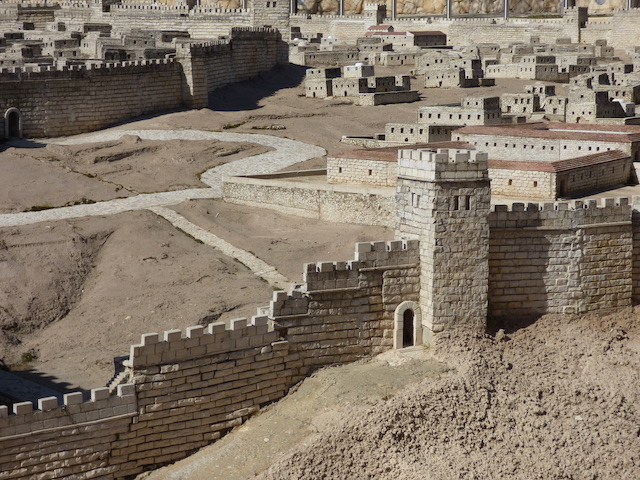
The Southern Steps and the Hulda gate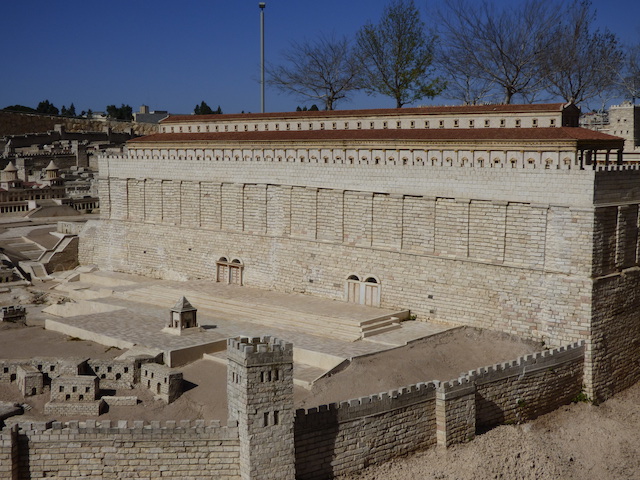
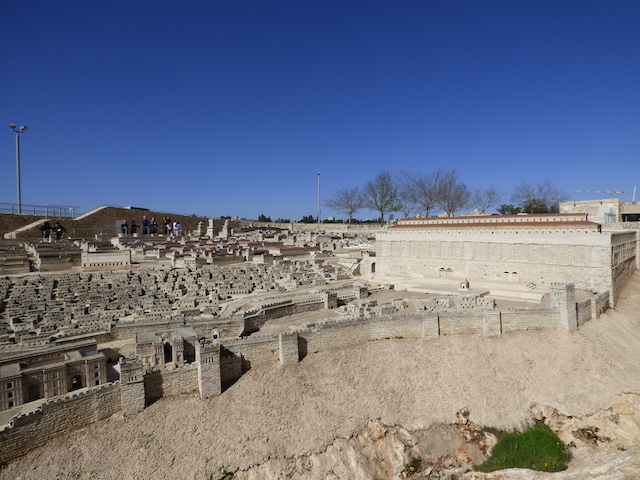
Robinson’s Arch (at the southwest corner of the Temple Mount)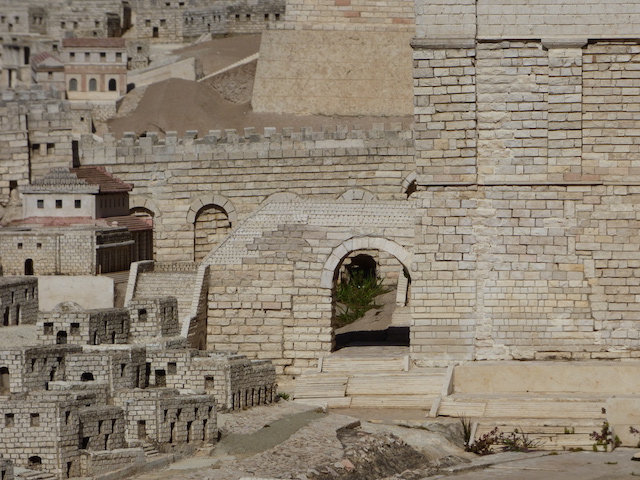
A view of the city from the south. The City of David with the Pool of Siloam at the extreme southern end.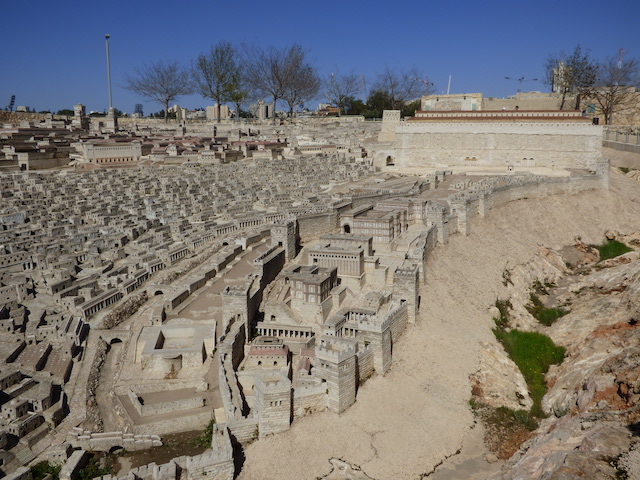
The Pool of Siloam. Note the Herodian street that can be traveled all the way from the pool to the Temple Mount.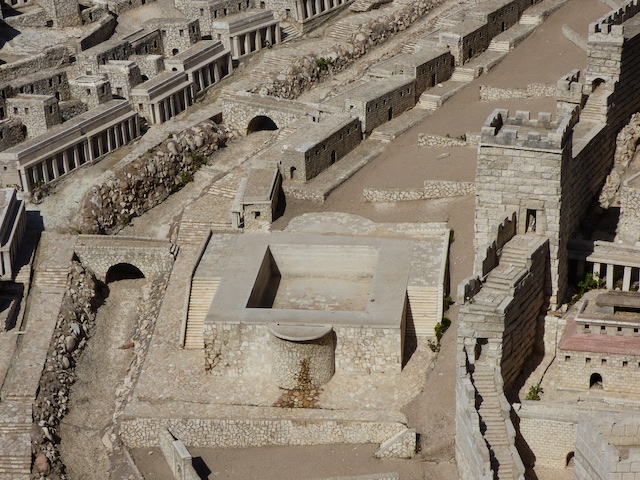
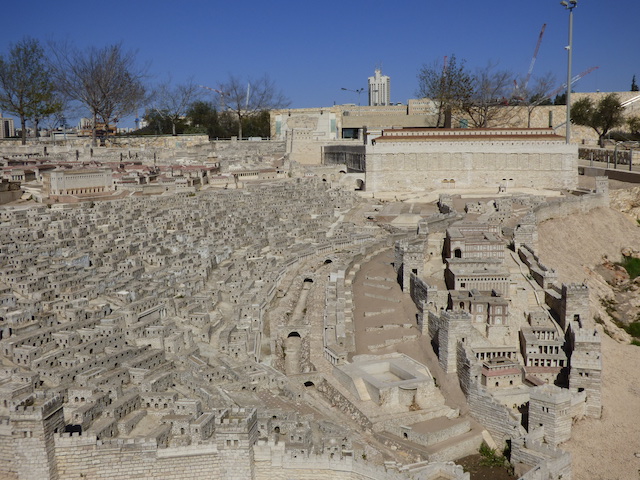
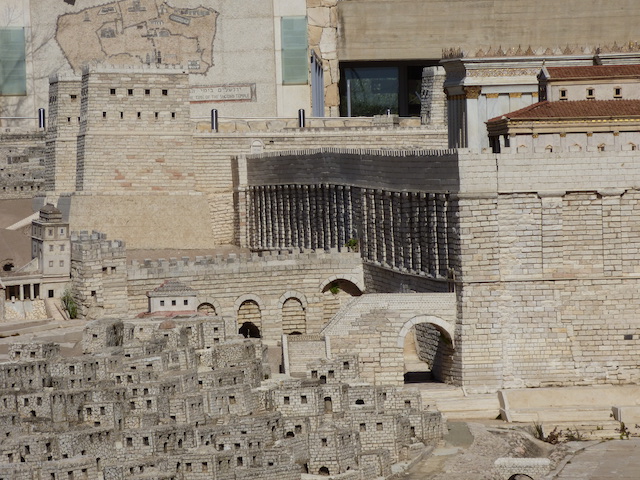
A view of the city from the west.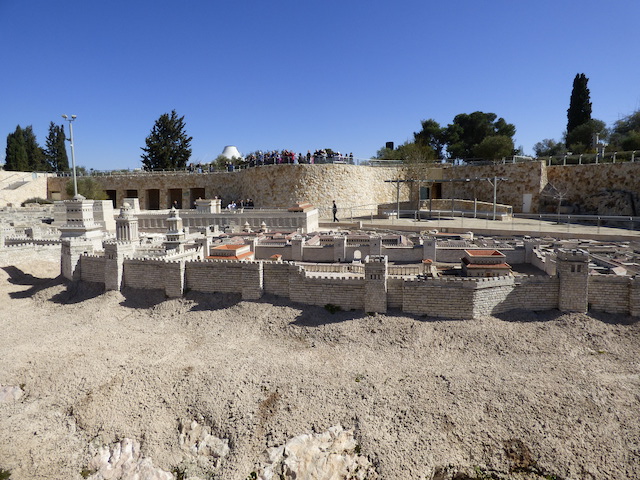
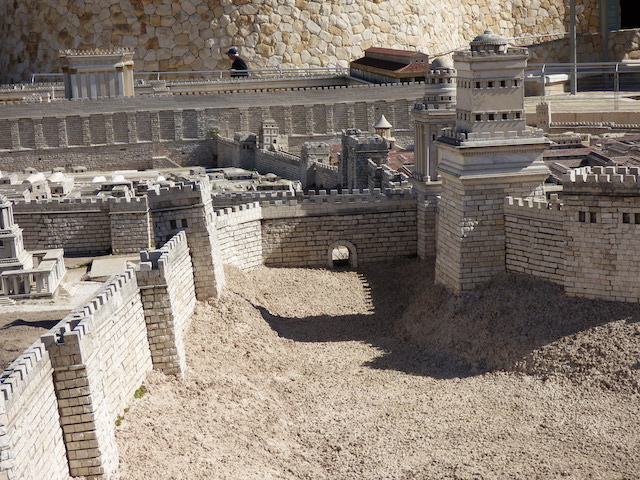
In the lower right corner you can see the gate traditionally thought to be the one from which Jesus exited the city while on his way to His crucifixion. The “rock” in the lower left corner is the representation of the traditional site of Golgotha where Jesus was crucified. Closeup photos follow.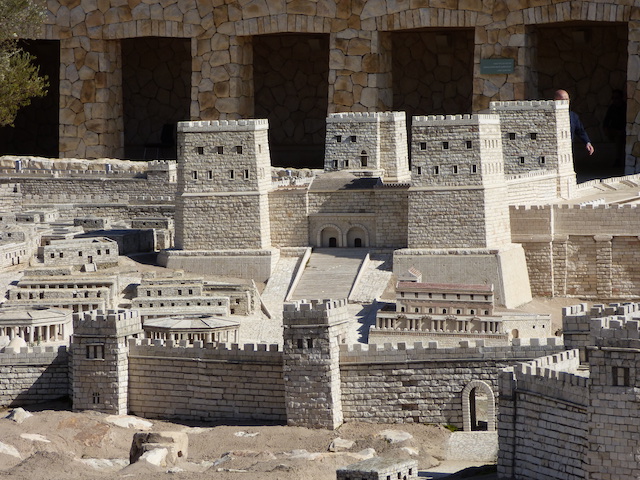

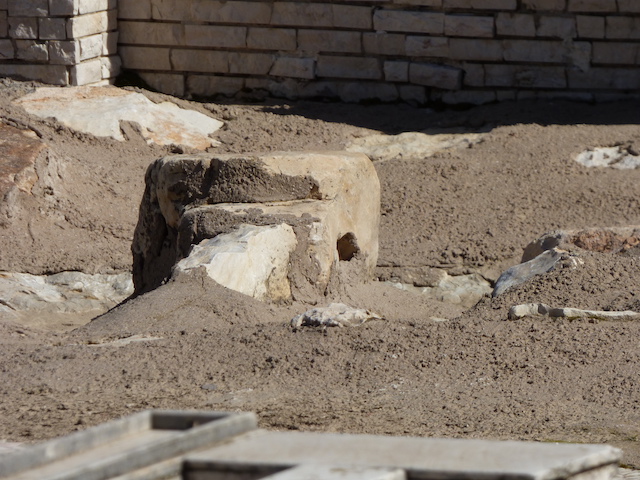
More shots of the model from various angles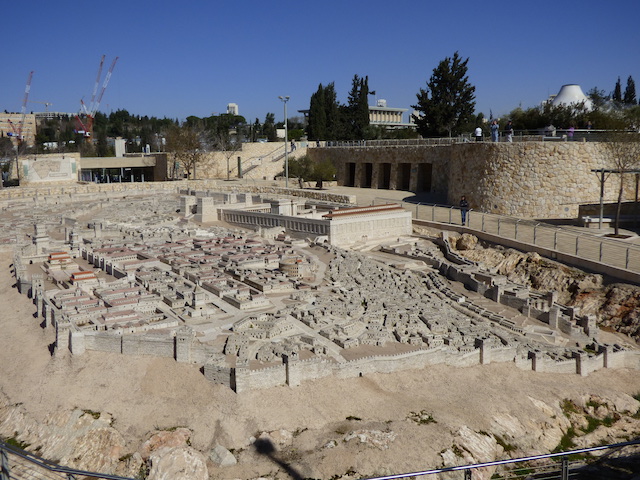
Exterior shot of the Shrine of the Book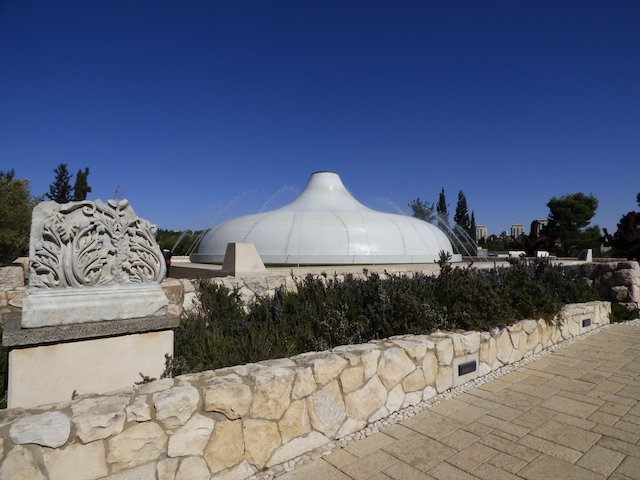
The theology of the Essenes, who lived at Qumran and were responsible for copying and hiding the scrolls now known as the Dead Sea scrolls, concentrated on the ongoing war between the Sons of Light (themselves) and the Sons of Darkness. Directly facing the Shrine of the Book is the black wall that represents the Sons of Darkness.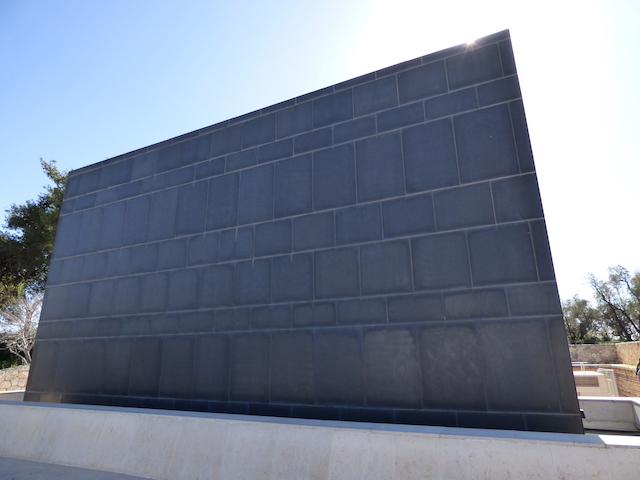
After the Israel Museum, we visited Yad Vashem, the Israel Holocaust Museum. No photography is permitted inside Yad Vashem. I strongly encourage people to visit the museum if they travel to Jerusalem. It is very powerful.
Jaffa Gate – Old City; Christian Quarter
After finishing with the Museums, we went to the Old City near the Jaffa gate to have lunch and do some shopping in the Christian quarter.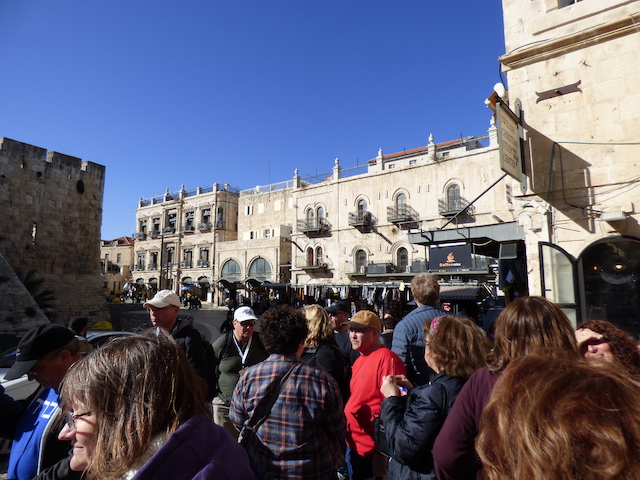
David’s Tomb & The Upper Room
These buildings are “traditional” sites for the tomb of David and the location of the upper room (where Jesus held the Last Supper with His disciples). There is no evidence that David is buried here, and even the Jews don’t believe it is so.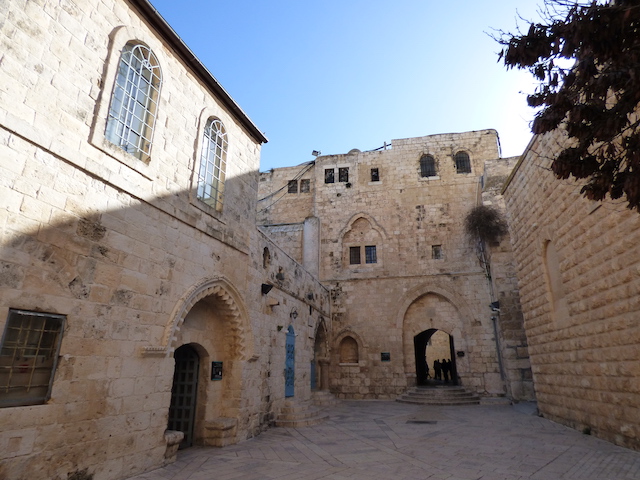
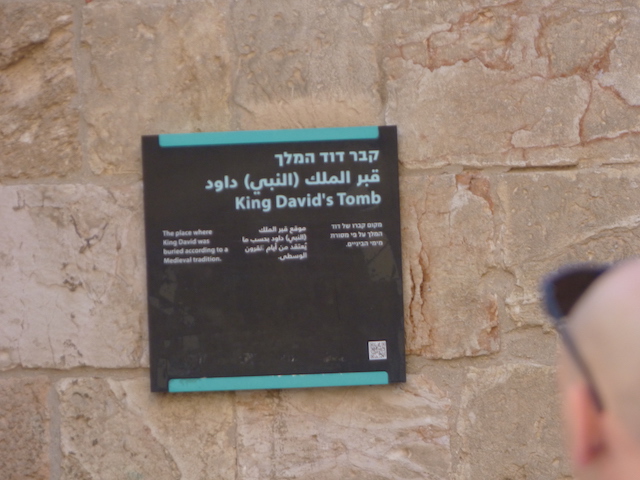
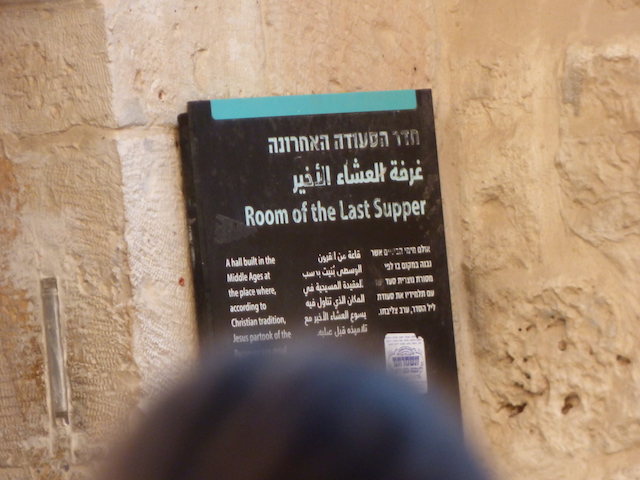
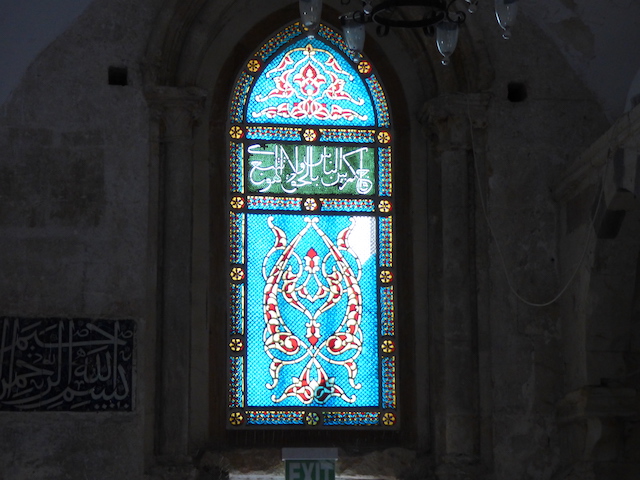
All of the architecture is from the Crusader period. You can see from the stained glass windows that the crusader church was converted into a mosque.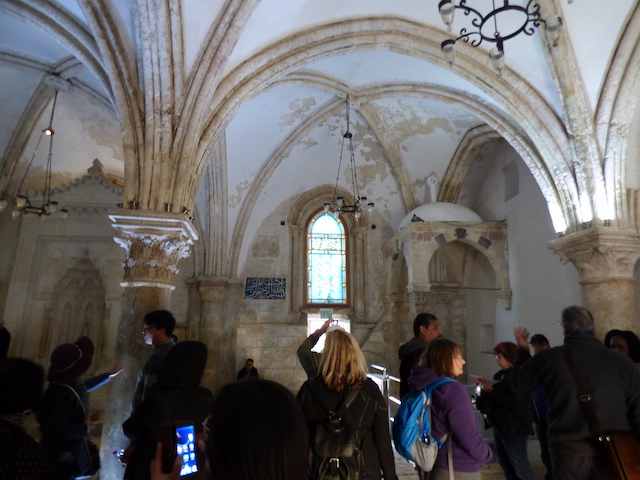
This is the entrance to “David’s Tomb”. It now houses a Yeshiva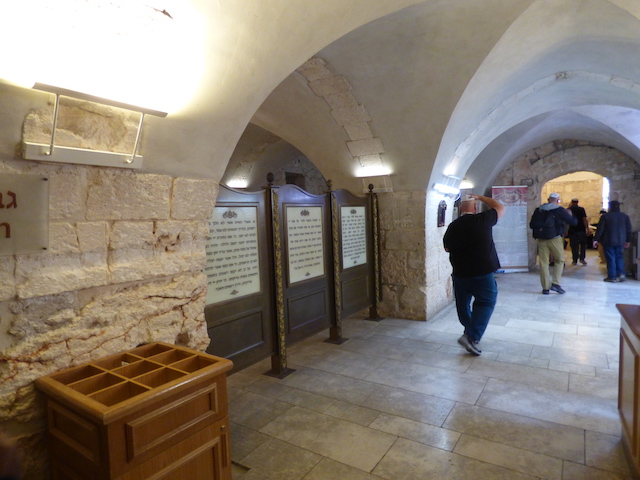
On our way to the next site, one of the people in our tour pointed out this wall. It’s the wall that divides Jerusalem from the West Bank.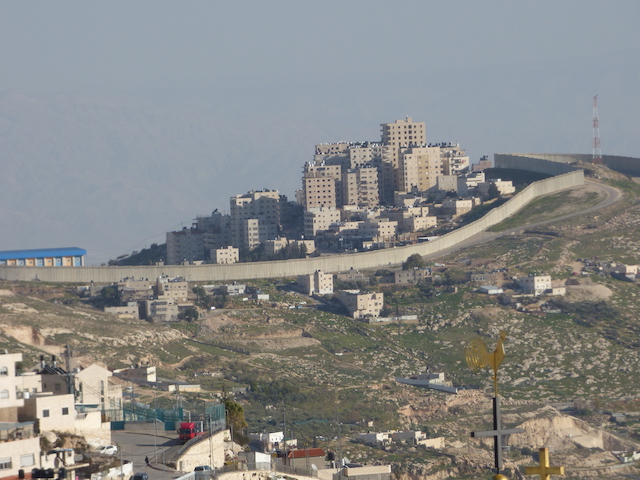
House of Caiaphas
This church is the site of Caiaphas’s house. Caiaphas was the High Priest who tried Jesus.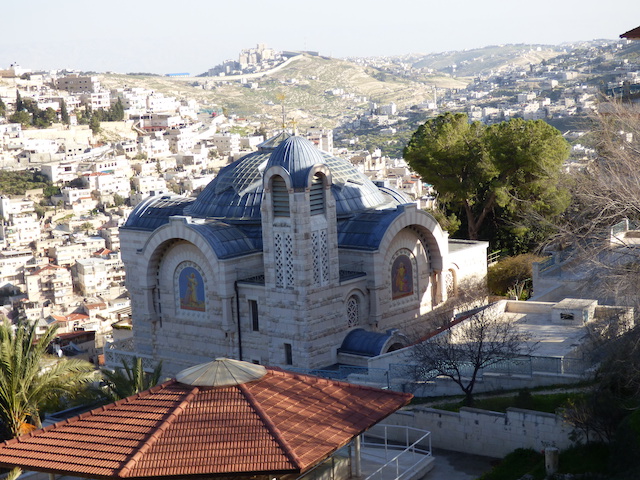
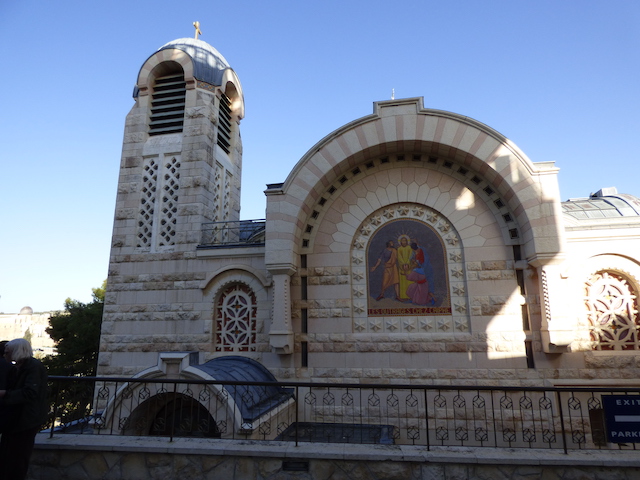
This path is likely the route taken when temple guards brought Jesus from His arrest at the Garden of Gethsemene to the House of Caiaphas to be tried before the High Priest. These are first century paving stones.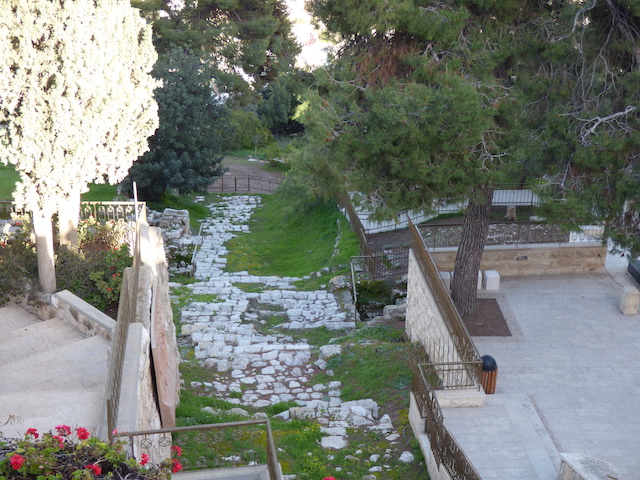
Beneath the current church, there are underground caves. Jesus was imprisoned here overnight after his trial before Caiaphas before being tried before Pilate at the Antonia fortress.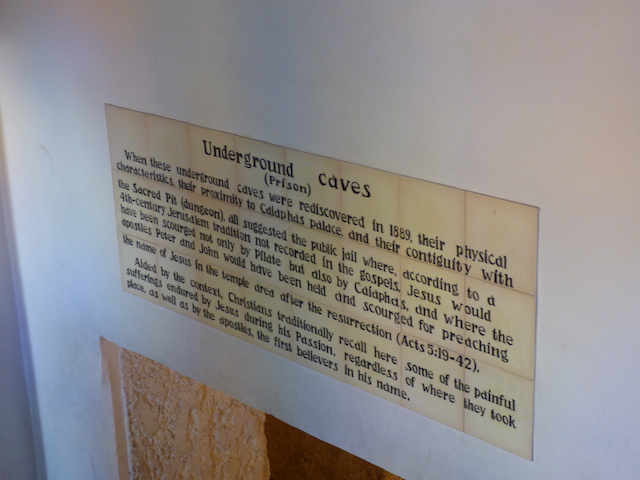
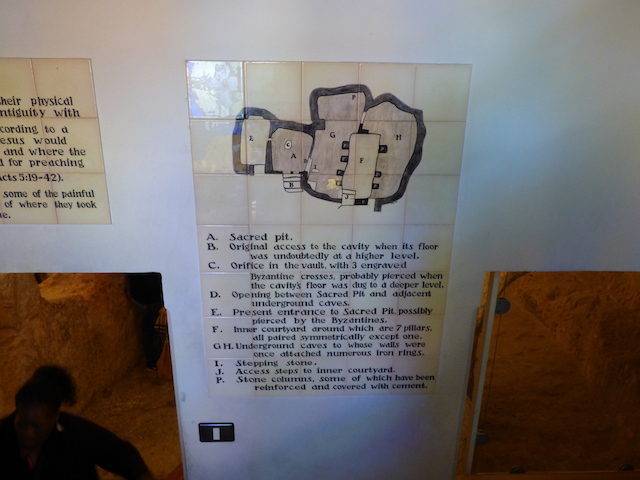
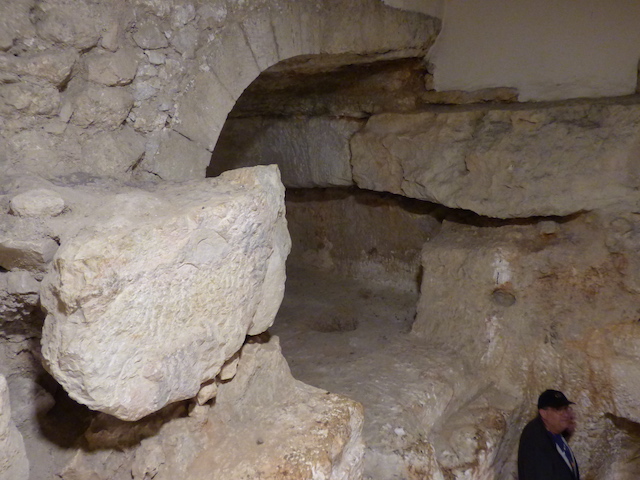
We’re standing in the lowest level cave.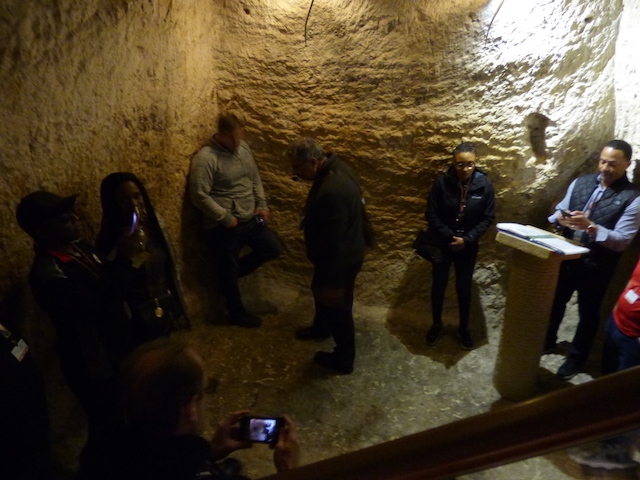
Looking up you can see the hole where Jesus was likely lowered by a rope into this pit.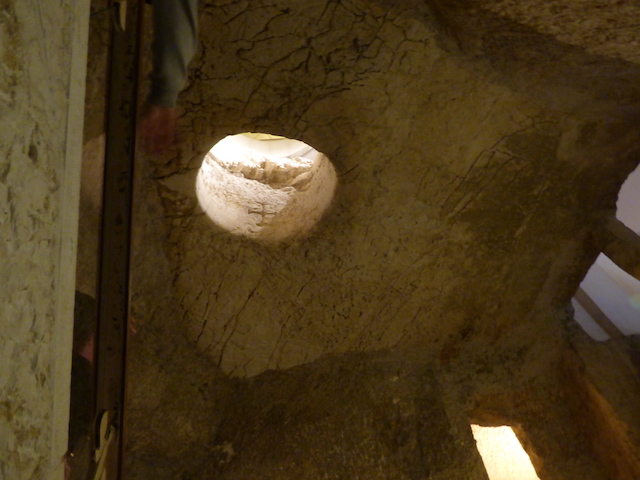
Golgotha and the Garden Tomb
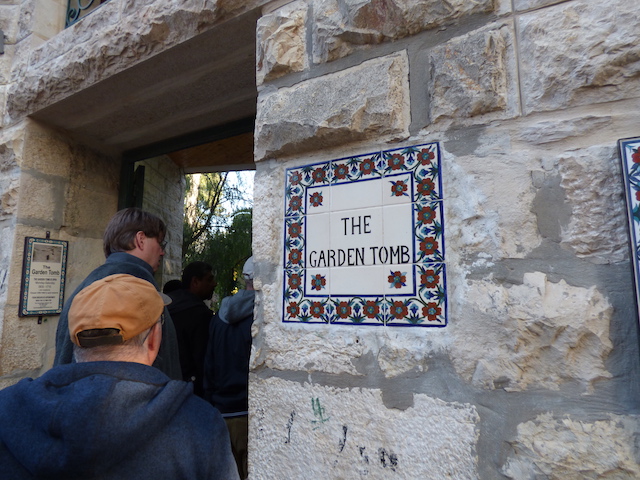
Our final stop was at the “alternate” location for the crucifixtion and burial of Jesus – the Garden Tomb. Most evangelicals (myself among them) believe this is a more likely site for these events than the Church of the Holy Sepulcher for the following reasons: (1) It is outside the city, (2) it is in proximity to a rocky hill that (even after centuries of erosion) still has the appearance of a skull, (3) it is located along a road, and (4) is the location of an early Christian baptistry and winepress.
No matter which site is “authentic” the important thing to remember is that Jesus is NOT in the tomb. He is risen from the dead and we await his second coming as King!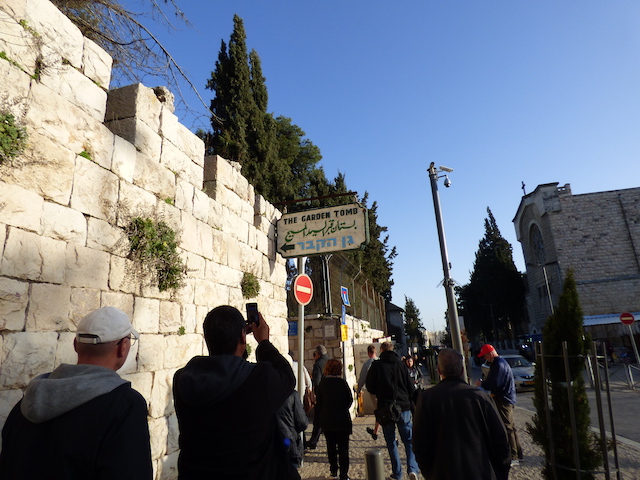
This is a photo our guide showed us (from several years ago). Here you can clearly see the “skull” in the rock formation (two eyes and nose are particularly prominent).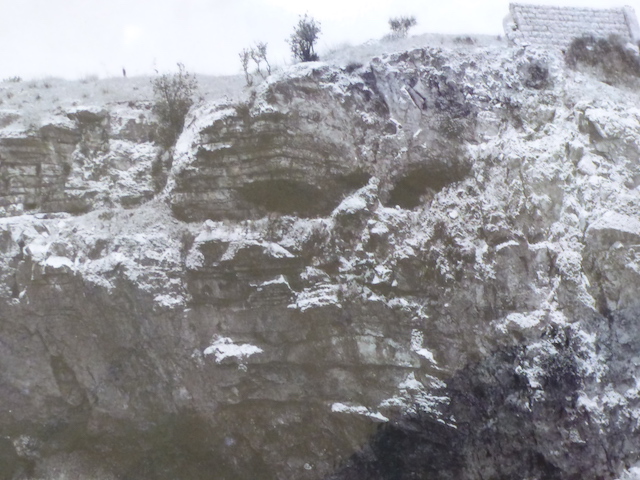
This photo is from today. Erosion has taken it’s toll. The “skull” formation is at the right. A large portion of the “nose” has fallen away, but the “eyes” are still clearly visible.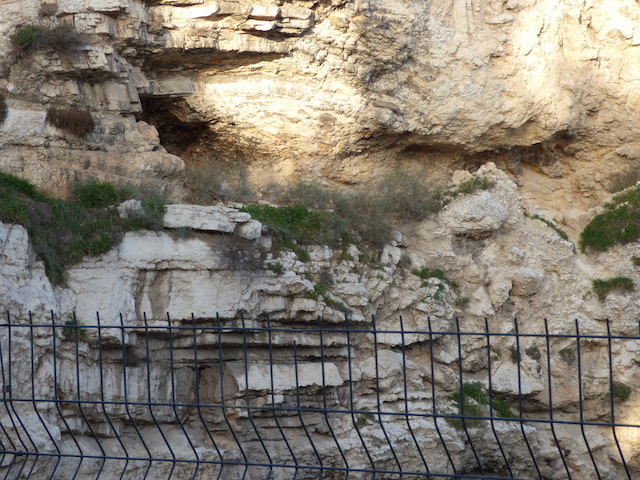
The site (except for the rock wall/hill” is privately owned by a Scottish missionary agency. That’s one of the reasons why no large church has ever been built here. They made a conscious decision to retain the site as close to its original state as possible. The guides that take you through the site are faithful to share the Gospel story and the hope of the resurrection with tour groups.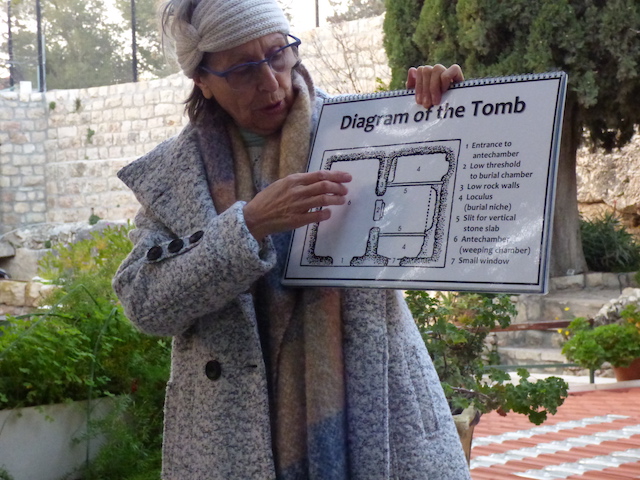
The exterior of the garden tomb.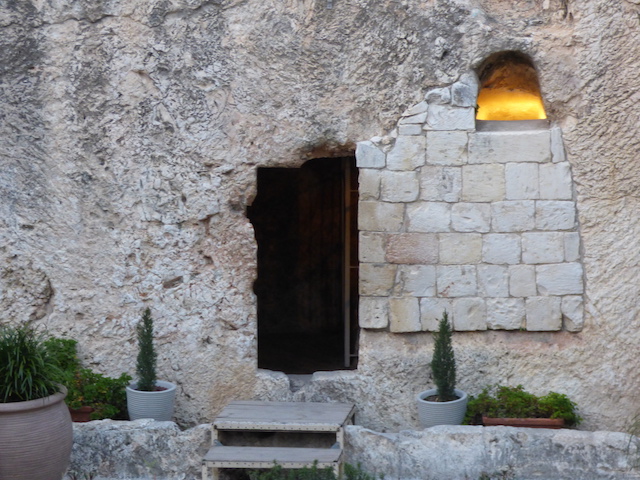
The adjacent winepress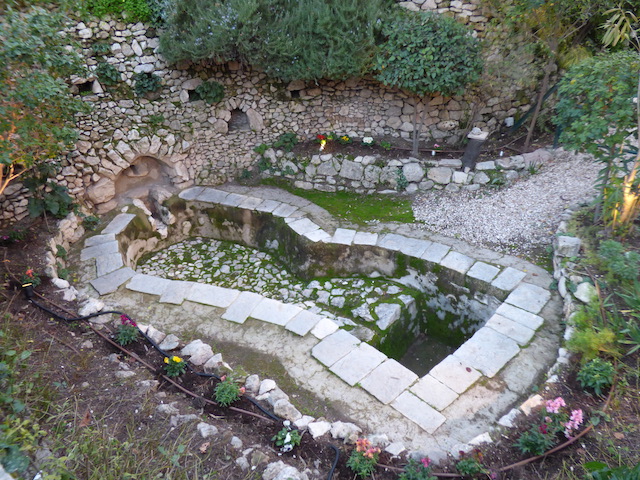
The tomb contains three alcoves where bodies would be placed: left, center, and right