These first few photos are actually from last night (Day 5), but it was too late to post when we got back to the hotel.
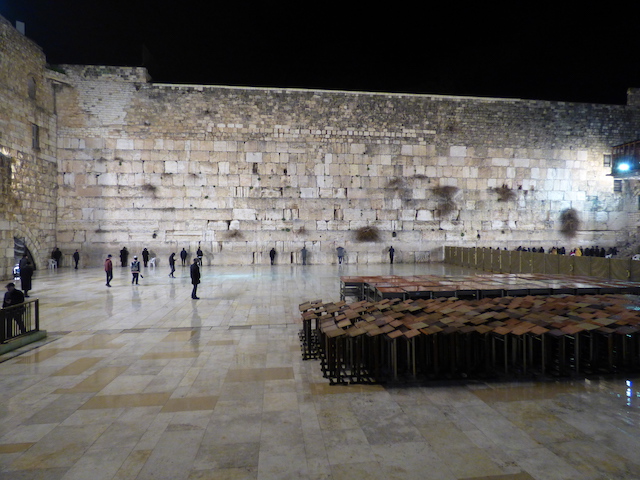
Western Wall
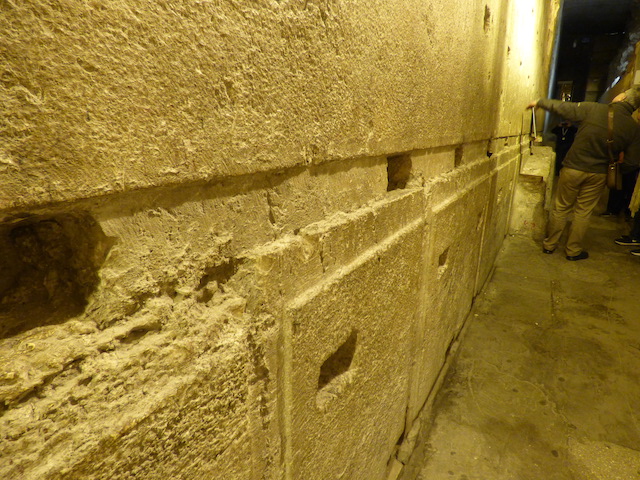
The lowest level of the western wall of the Temple Mount consists of foundation stones (Herodian) from the time of Jesus.
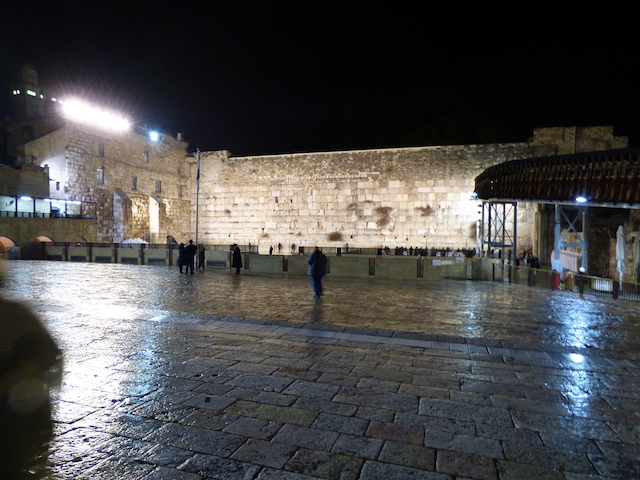
Under the old city, running parallel to the western wall is a tunnel with several openings and rooms. What is now a tunnel actually follows a 1st-century Herodian road that starts at the Pool of Siloam and runs all the way to the Temple Mount and followed the Western wall.
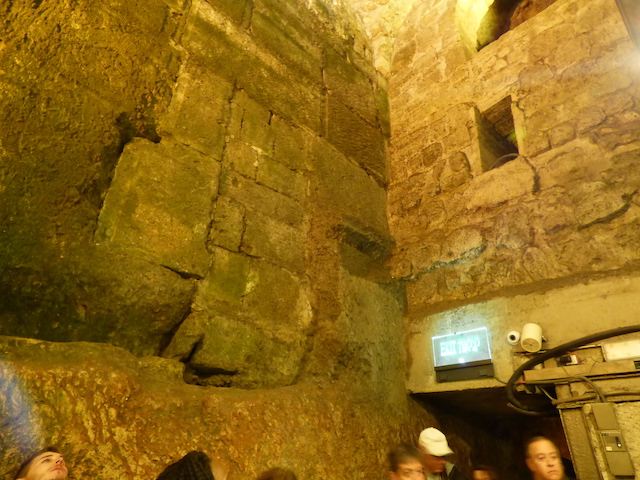
This single stone is nearly 48 feet long and has been chiseled as a single piece of limestone (part of the Herodian foundation). The stones are set on top of each other without mortar.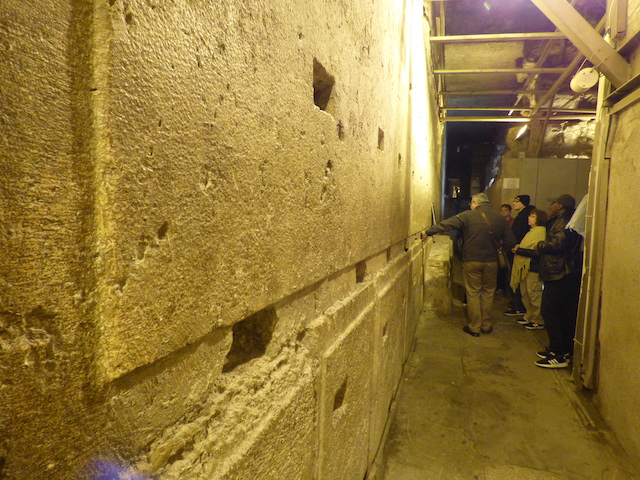
At one point you can look down (from the bridge inside the tunnel) and see that the foundation of the temple mount goes nearly forty feet below the original, first-century street level (which is already well below the modern street level)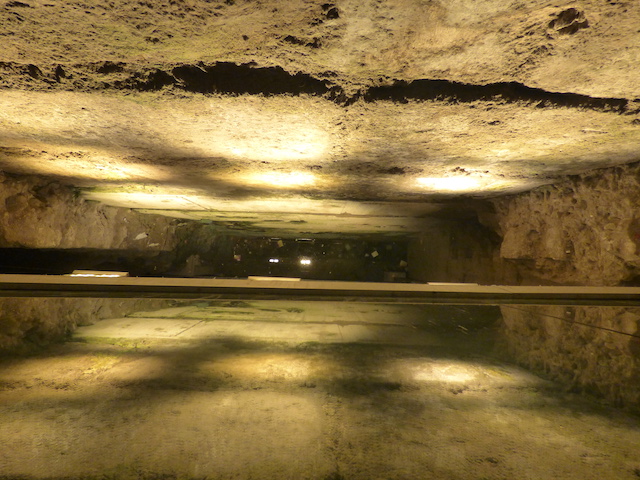
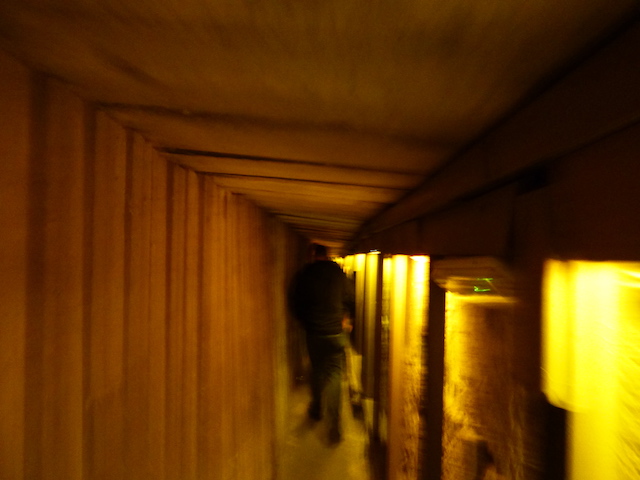
Note how precisely these huge stones fit together. The level of engineering is amazing.
The walkway in the tunnel has several “windows” in the floor that allow you to look down. Here you can see stones from the 1st century temple that were thrown down during it’s destruction in 70 AD. If you look closely you can see evidence of burning on some of them.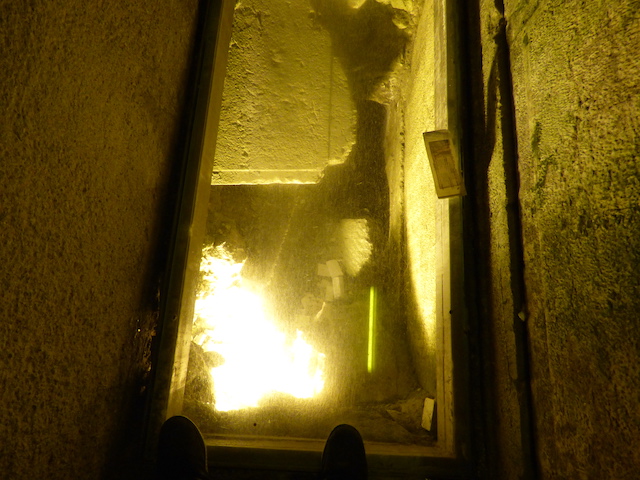
The tunnel comes to an end where the 1st century street originally ended . The paving stones we’re standing on are Herodian (first century).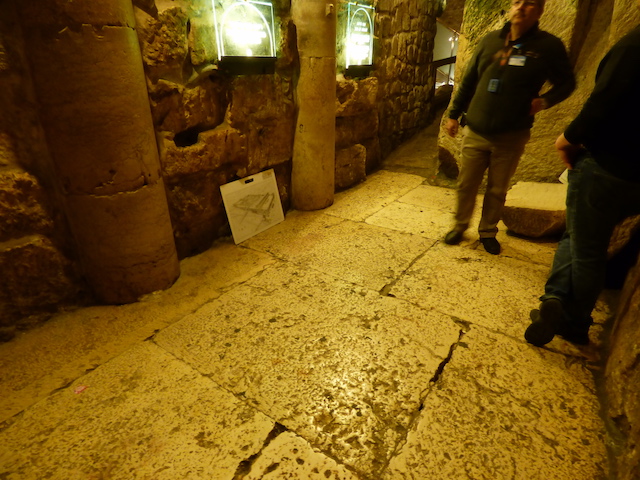
Jericho
You must first traverse modern Jericho to reach the excavations of the site of ancient Jericho. Here is one of many mosques in the city.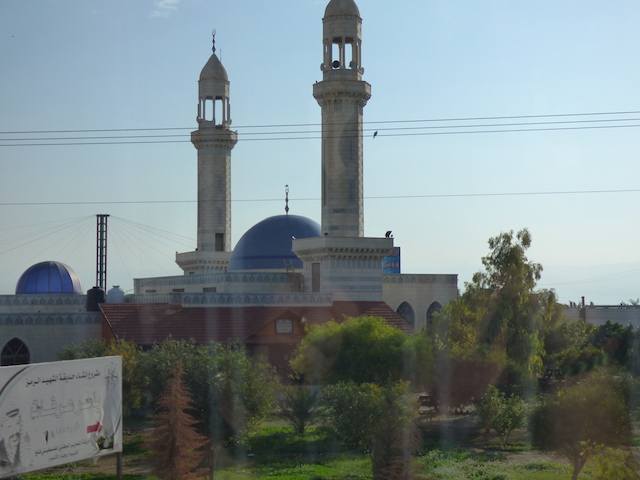
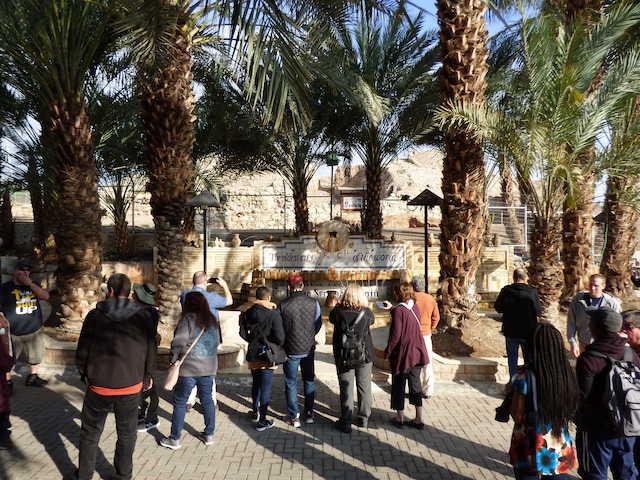
This fountain greets visitors to the site of ancient Jericho, which claims to be the oldest city in the world.
This is the remains of a tower that also functions as a mausoleum. 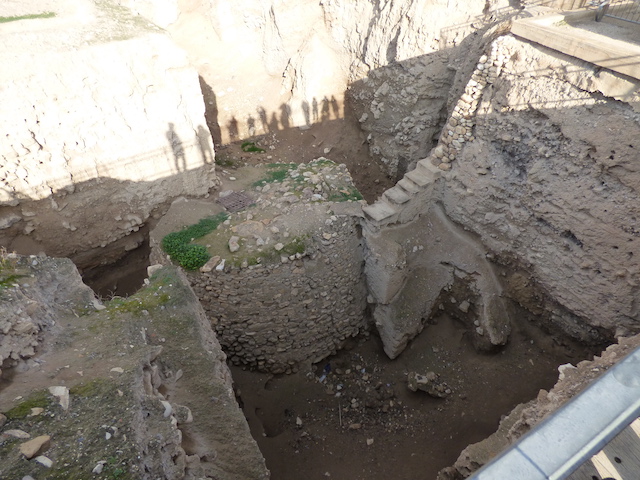
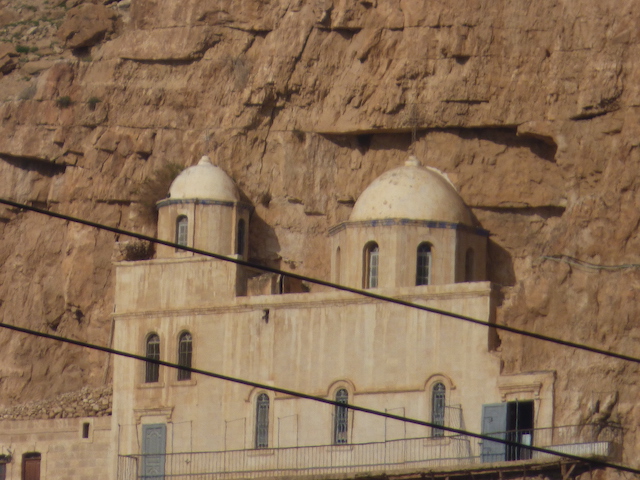
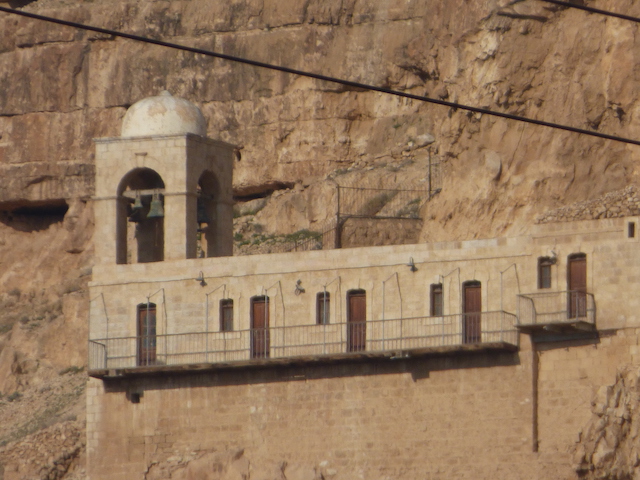
On the hills overlooking Jericho is a monastery. It actually projects back into the mountain.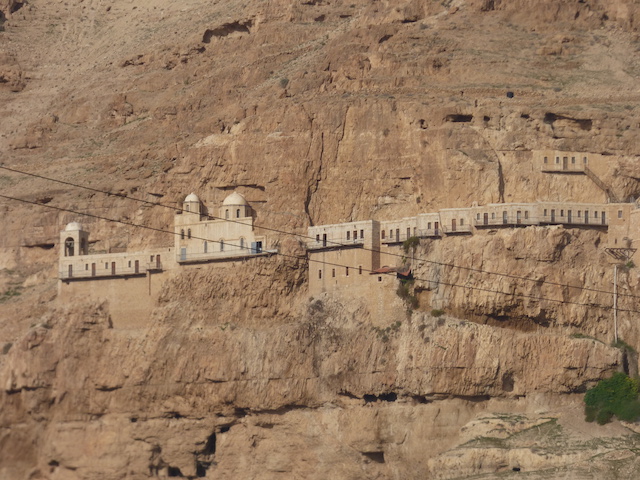
Remains of another tower that anchored a portion of the city wall.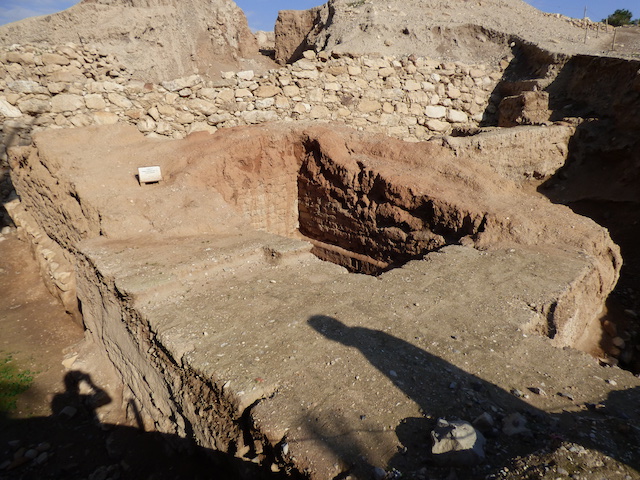
This is an example of a “double-wall”. Between the inner and outer walls there were rooms where guards and the poor resided. This is the type of dwelling where Rehab lived (in the wall).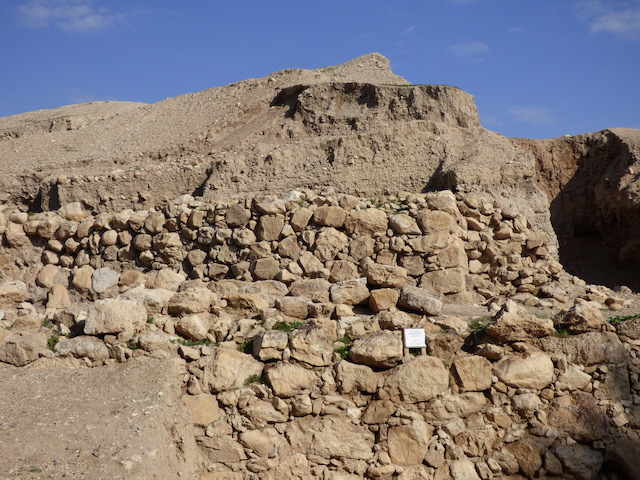
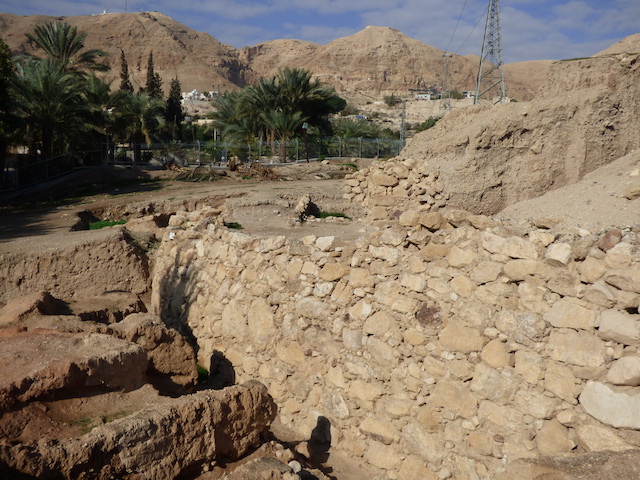
Climbing down from the tel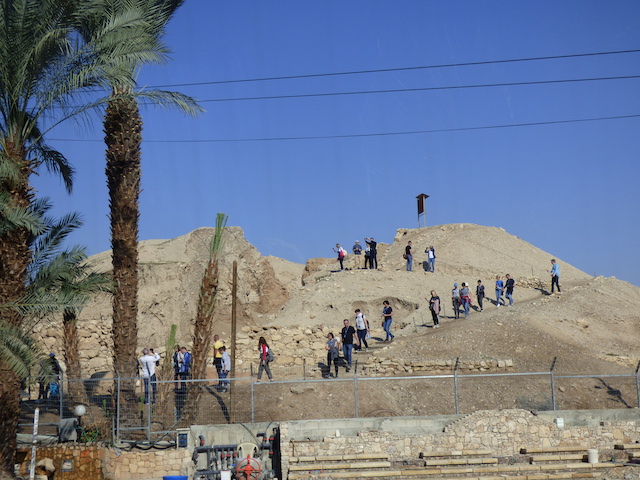
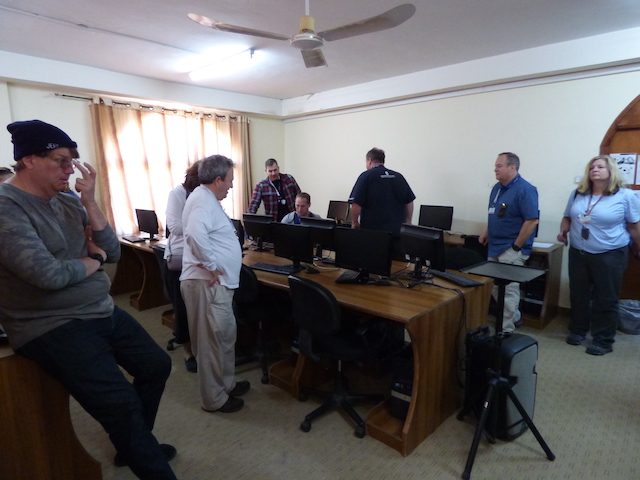
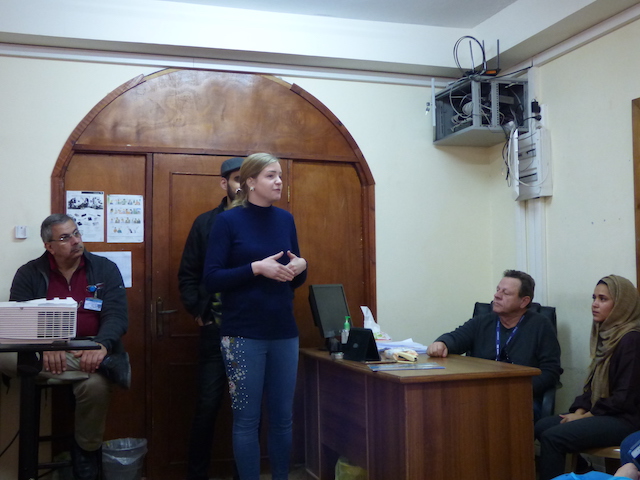
We visited a very interesting ministry in Jericho called Seeds of Hope. They provide education and activities for children in the city, regardless of their religion.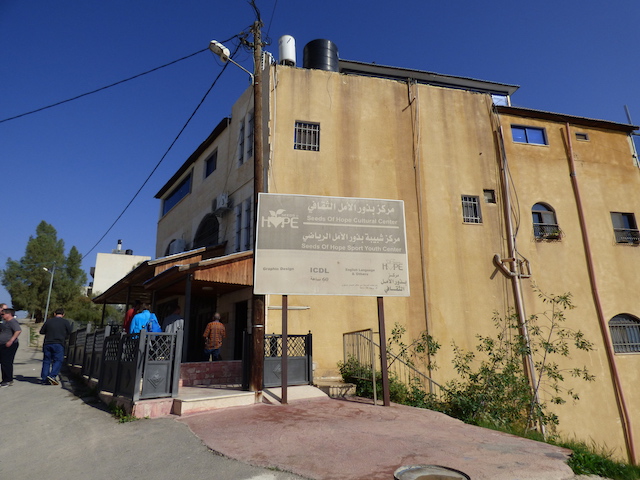
Ein Gedi
Deep in the Judean wilderness, near the Dead Sea there is an amazing oasis. It was here that David hid in caves while Saul was pursuing him.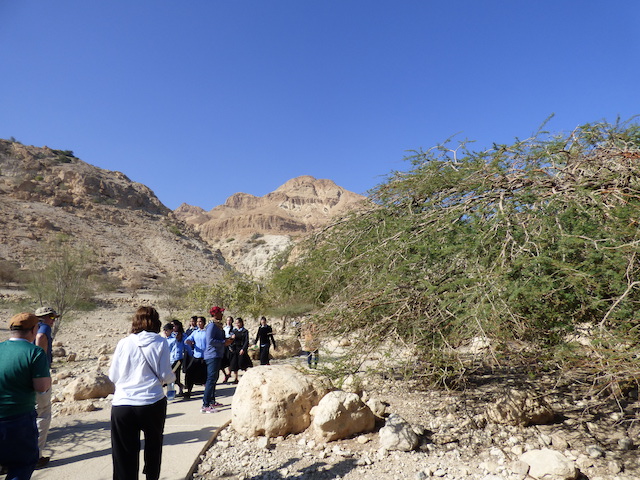
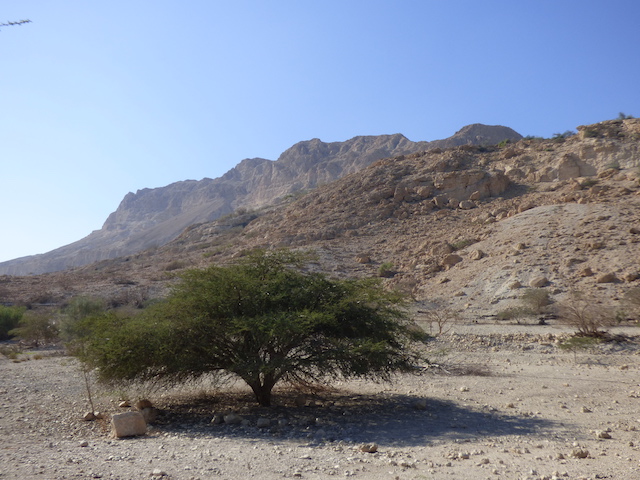
There is plenty of wildlife in Ein Gedi. These little guys (hyrex) were everywhere. They look something like a groundhog, but they are great tree climbers.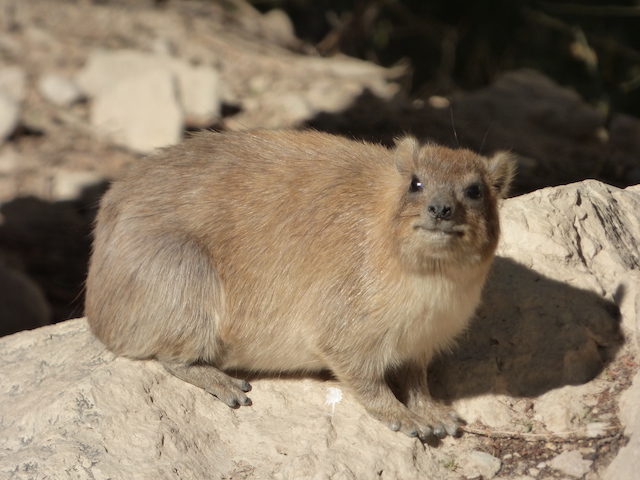
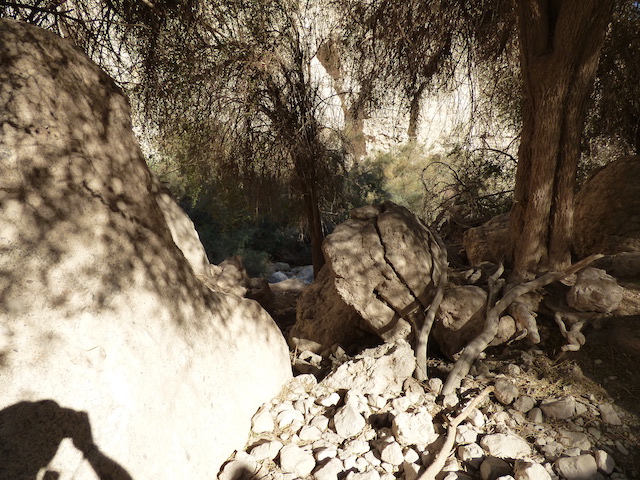
The “lower” falls at Ein Gedi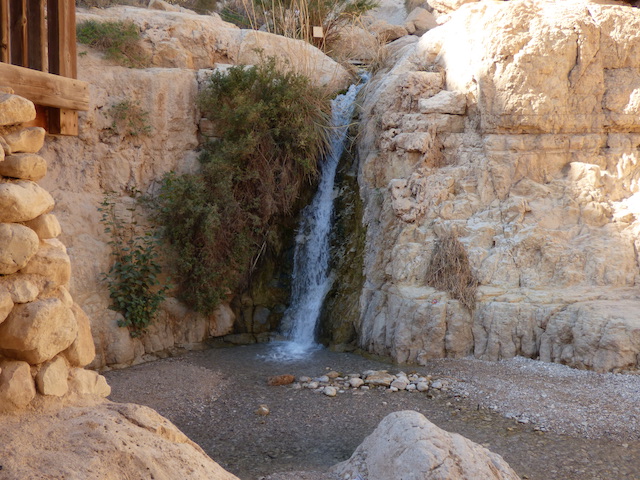
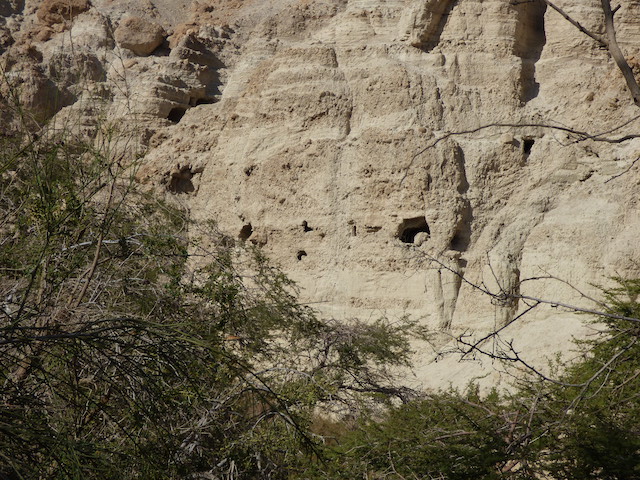
The cliffs surrounding the oasis are riddled with caves.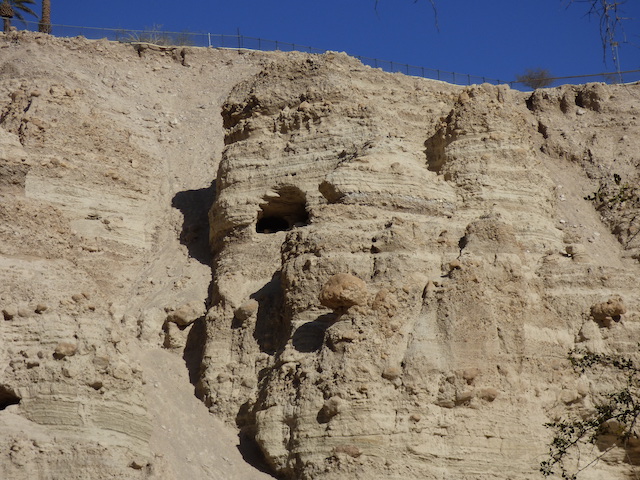
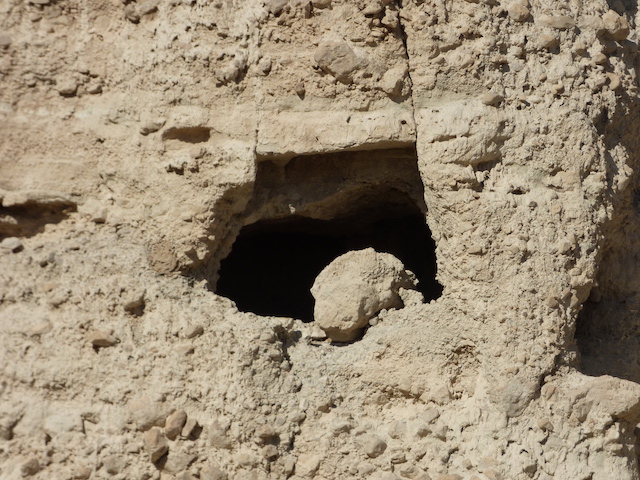
Massada
An ancient fortress in the far south of the country, adjacent to the Dead Sea, Massada is most famous for the last stand of Jewish rebels against the Roman 10th legion. Before that time, it was one of a string of fortresses constructed by Herod. The ruins of one of his palaces is here.
You can walk up the “snake trail” to reach Massada, but old guys like me prefer to take the cable car to the top.
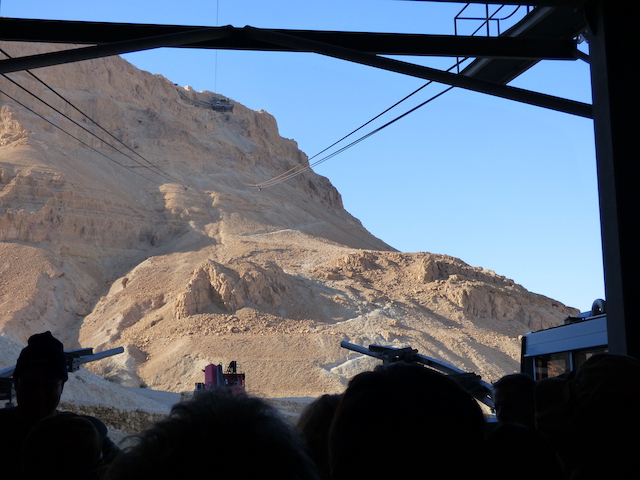
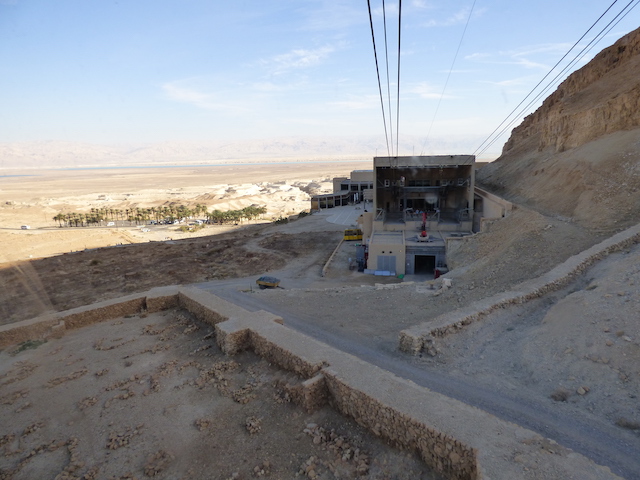
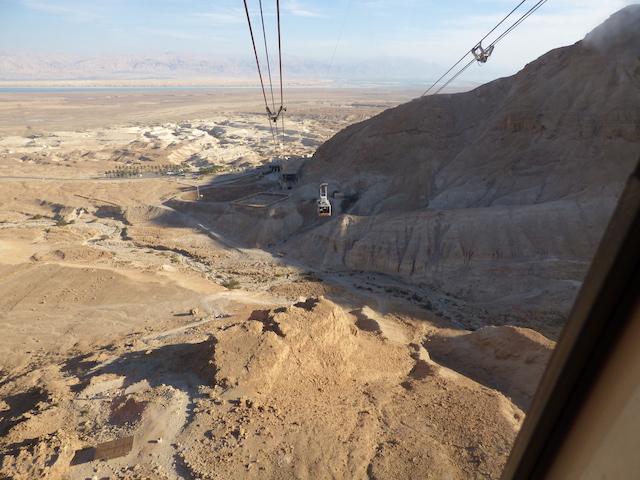
Even after a long cable-car ride, there’s still more walking uphill. Whew!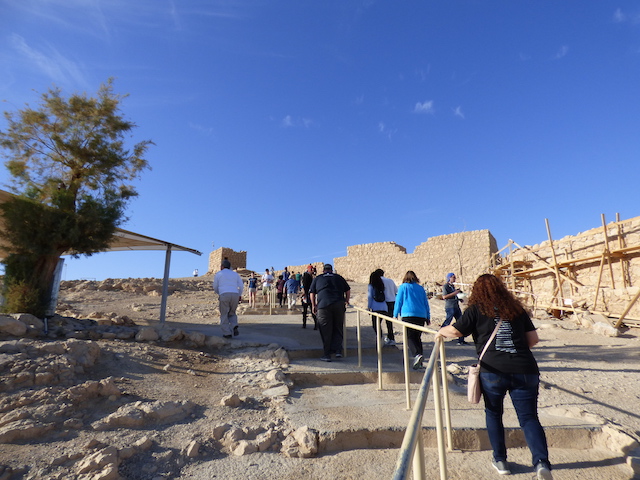

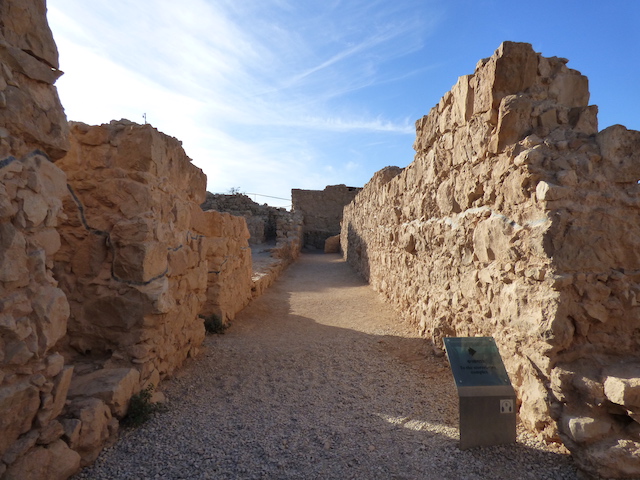
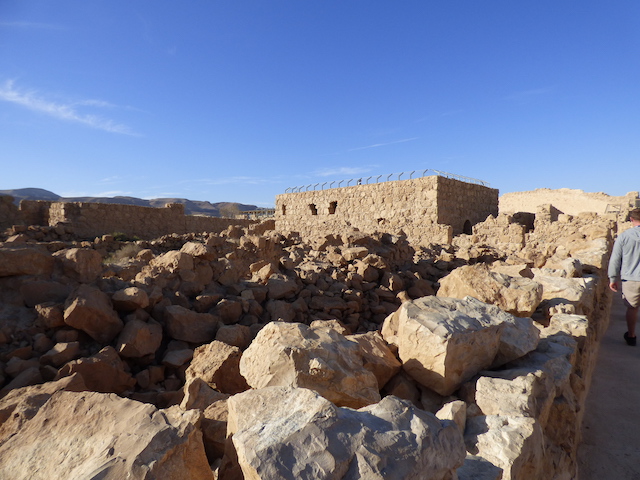
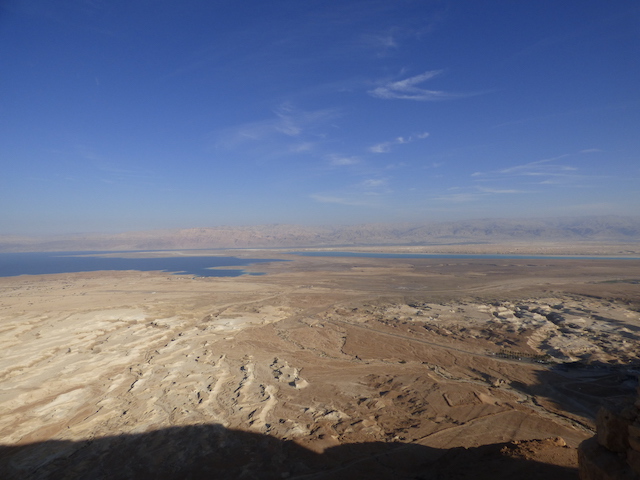
It’s certainly worth it for the magnificent view of the Judean wilderness and the lower portion of the Dead Sea.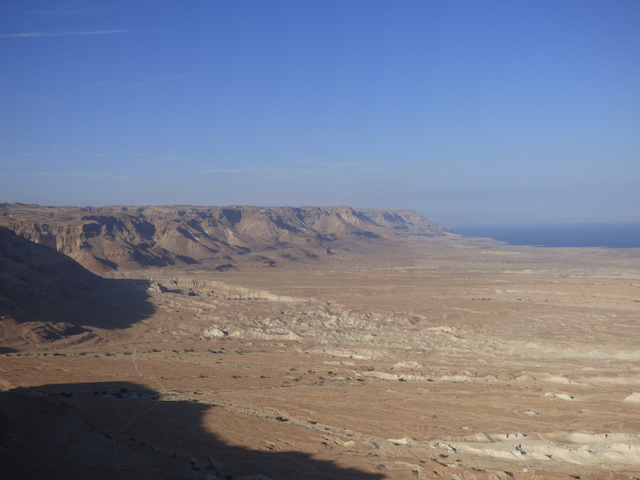
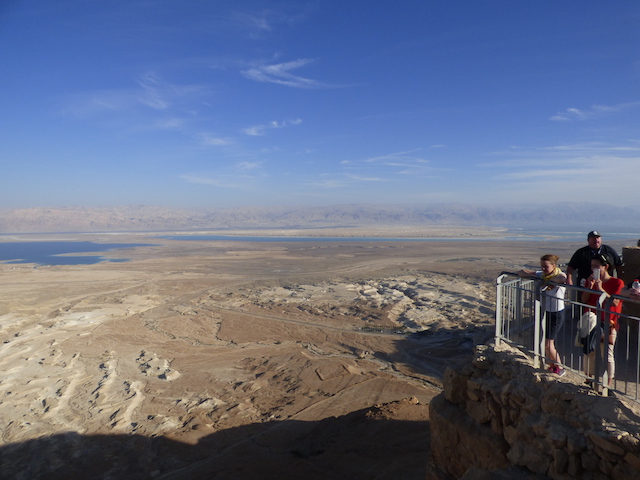
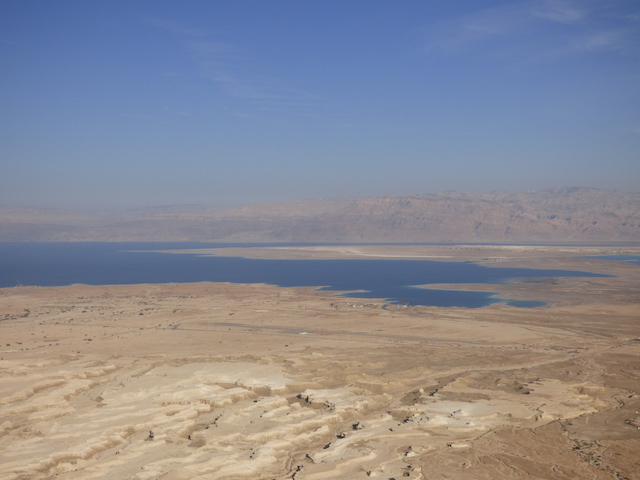
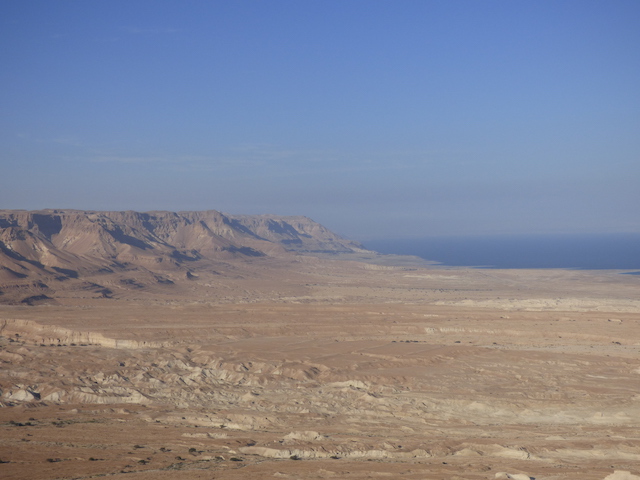
Here’s Vince and Gretta, one of the couples in our group.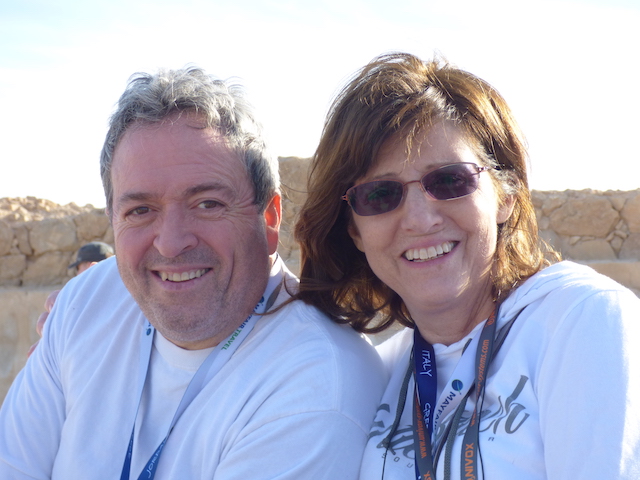
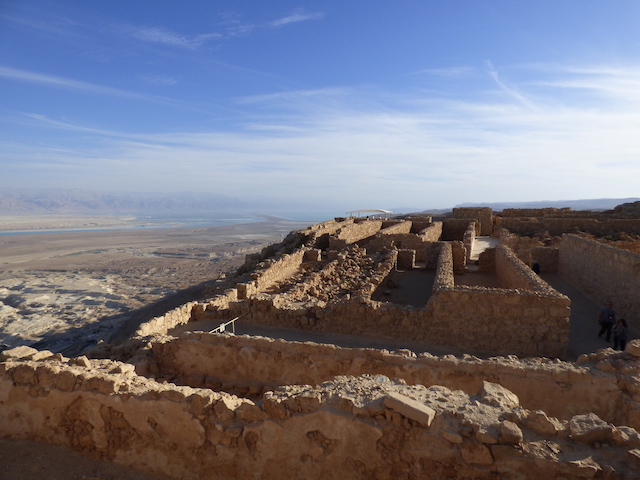
On the back (west) side of Massada the dropoff is less severe. Here you can see the remains (unexcavated) of the Roman encampment.
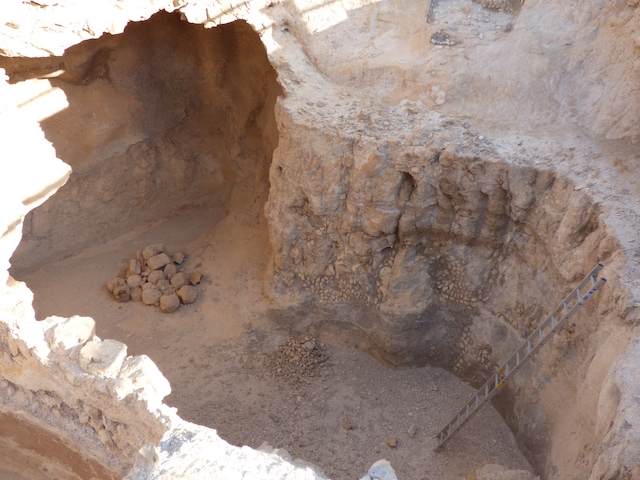
This is what remains of the earthen ramp that the Romans constructed in order to reach the city and eventually batter down it’s gates.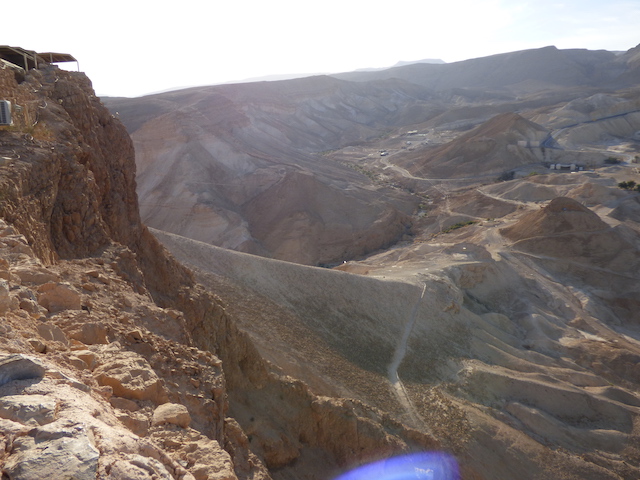
This is a synagogue on the summit of Massada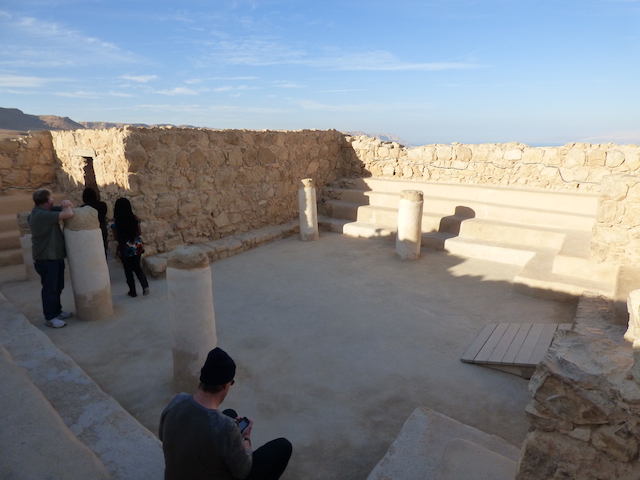
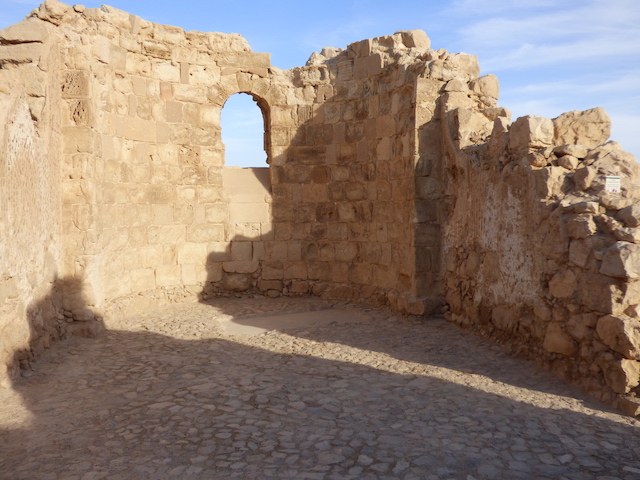
These are the ruins of a Byzantine church constructed on the site.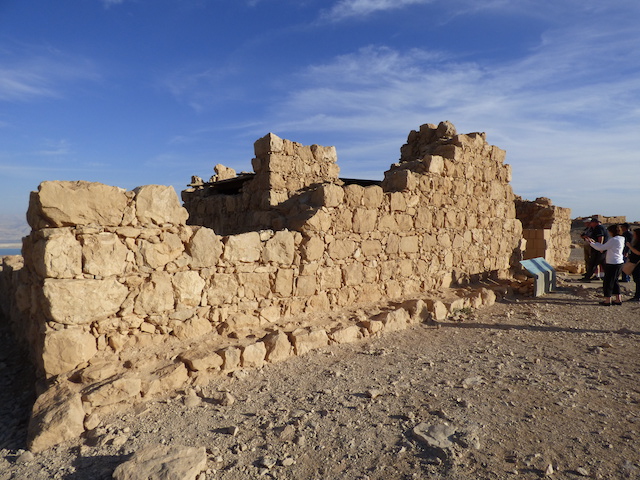
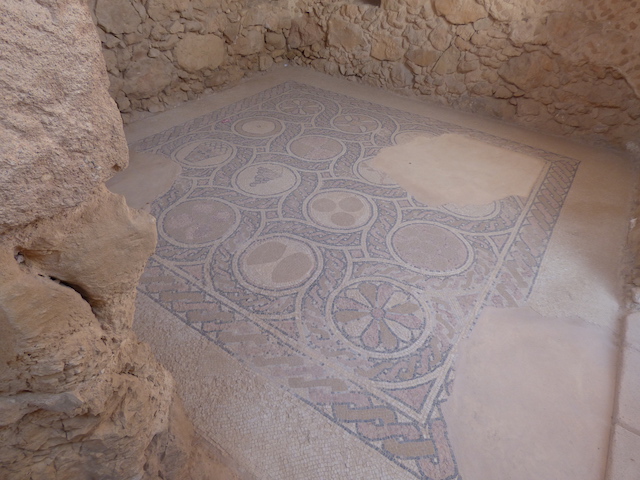
One of the floors of the church has a beautiful and nearly-intact mosaic floor.