Chorazim
This is one of the three cities that Jesus pronounced “woe” on because they didn’t believe in spite of the miracles done in them.
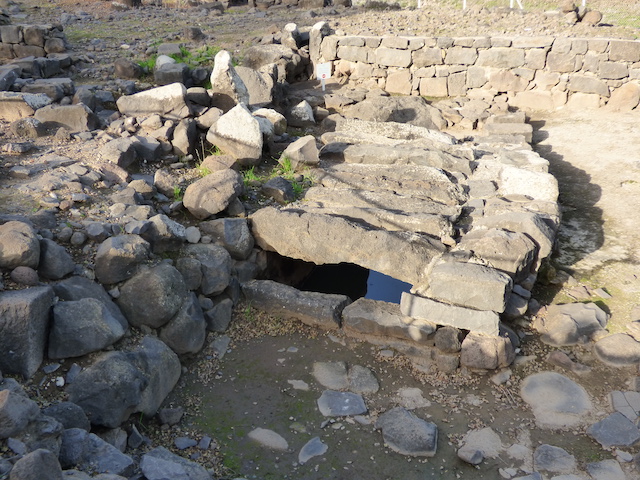
These are the ruins of a “ritual bath” (mikvah) used for purification.
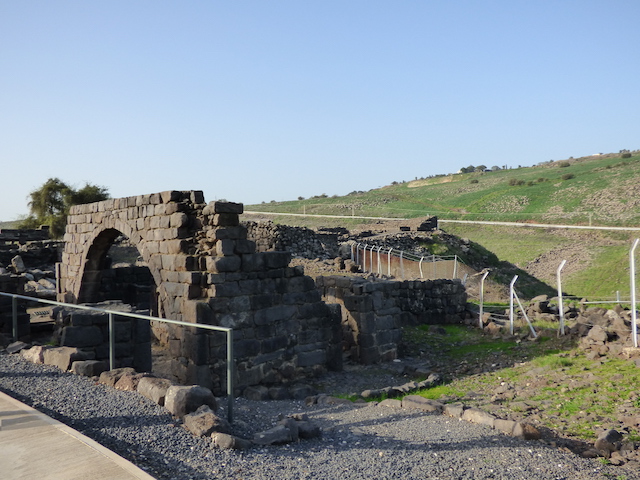
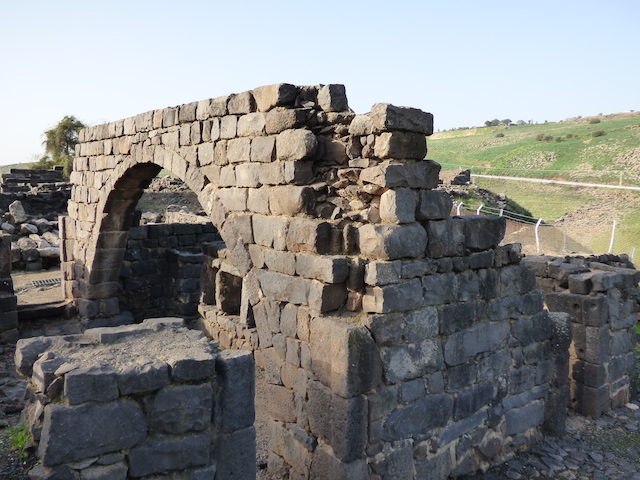
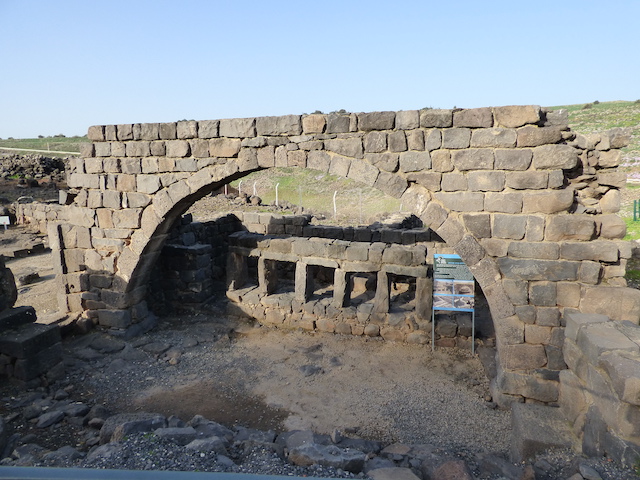
These are the ruins of a synagogue in Chorazim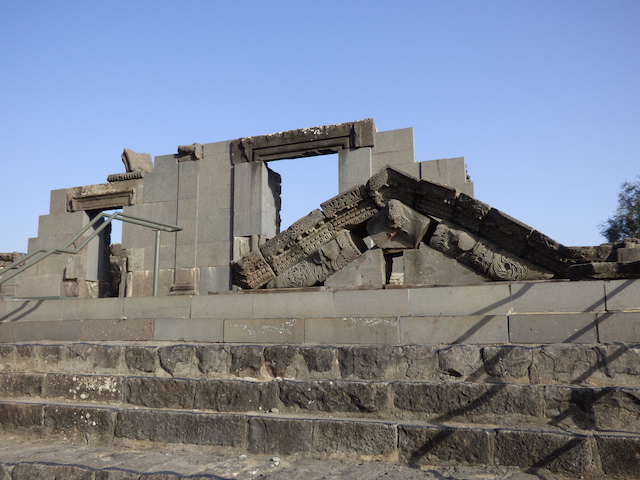
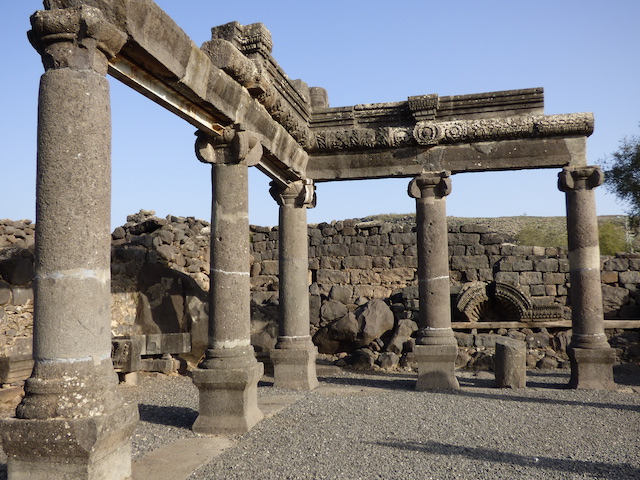
Below is a replica of the “Seat of Moses” found in the ruins of this synagogue. Jesus warned His disciples in Matthew 23:1-3, “Then Jesus spoke to the multitudes and to His disciples, saying: “The scribes and the Pharisees sit in Moses’ seat. Therefore whatever they tell you [a]to observe, that observe and do, but do not do according to their works…”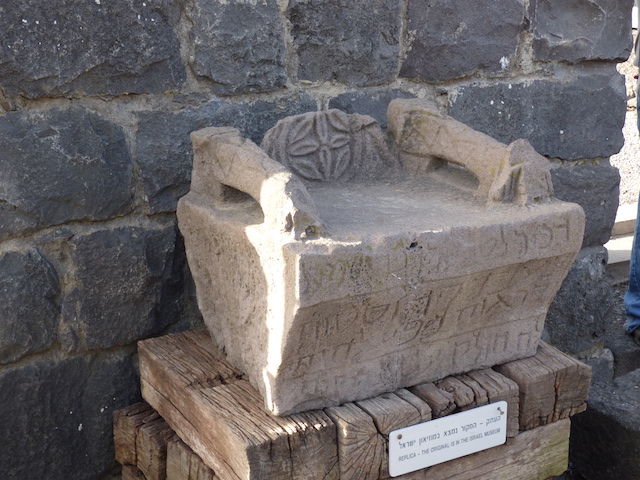
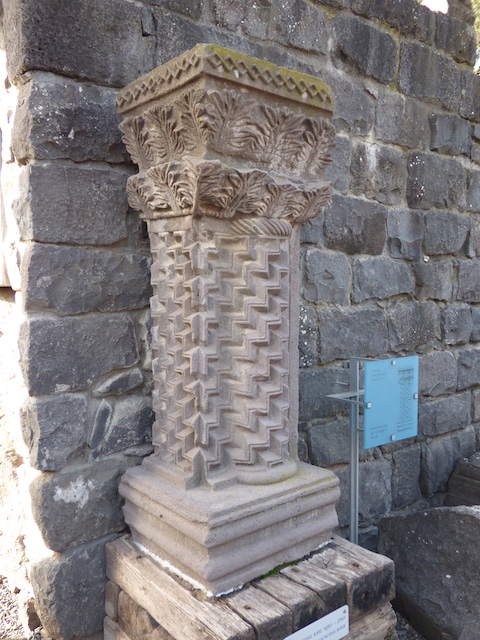
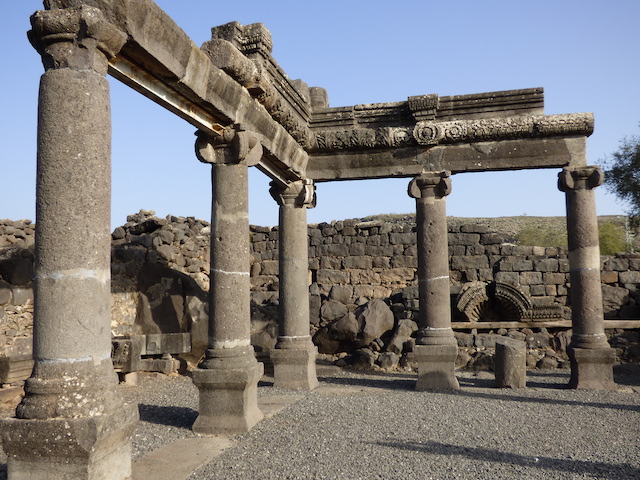
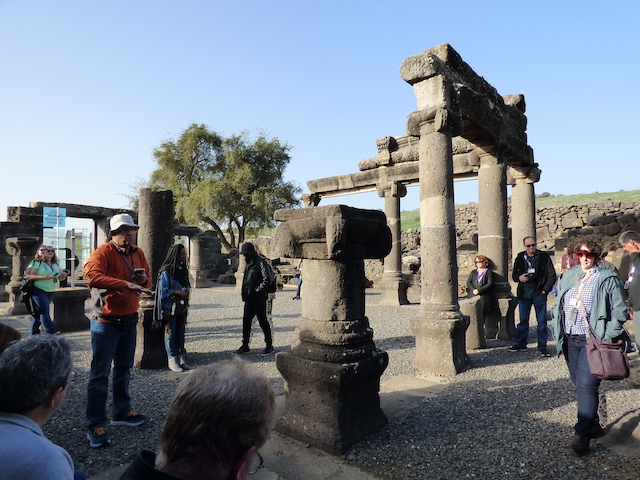
Ruins of a “house” in Chorazim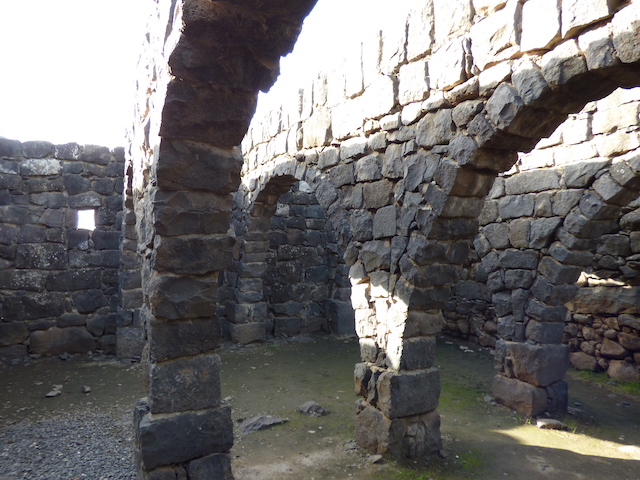
Inside a grain mill in Chorazim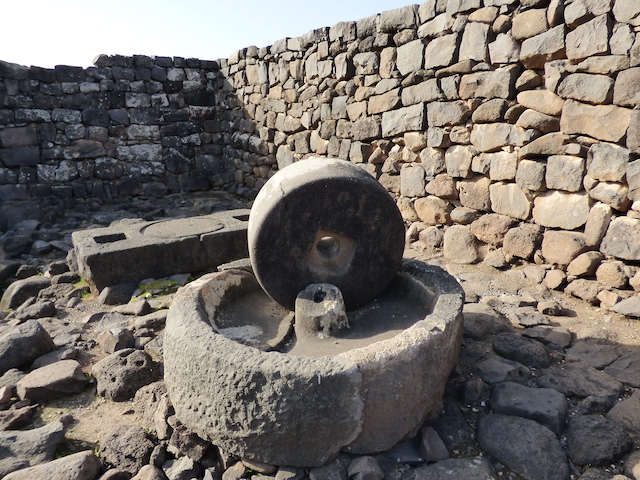
Tel Dan
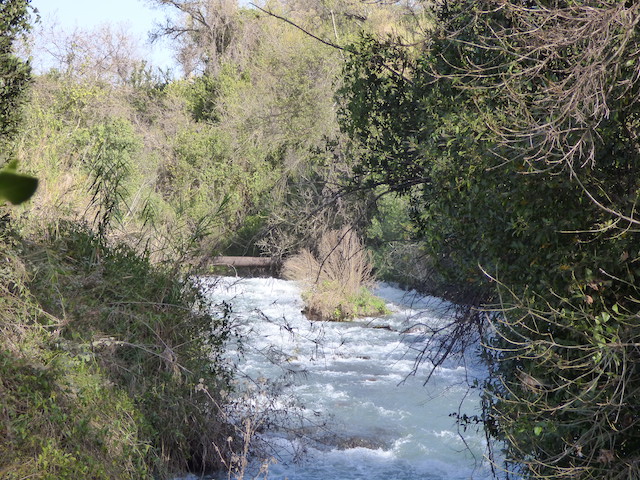
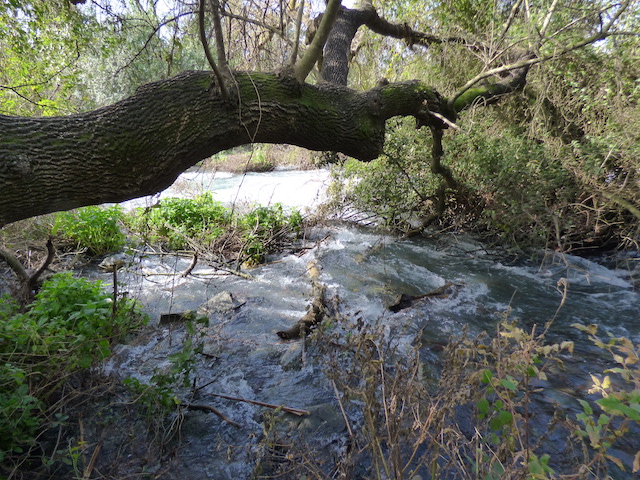
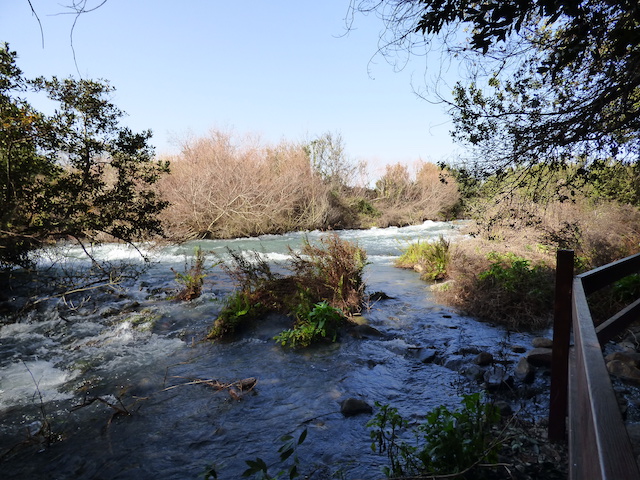
Tel Dan is a beautiful natural area in Northern Galilee. When entering the tel, you first walk through some lovely wooded paths that follow (and cross) the Dan Spring, one of the three primary sources of the Jordan river.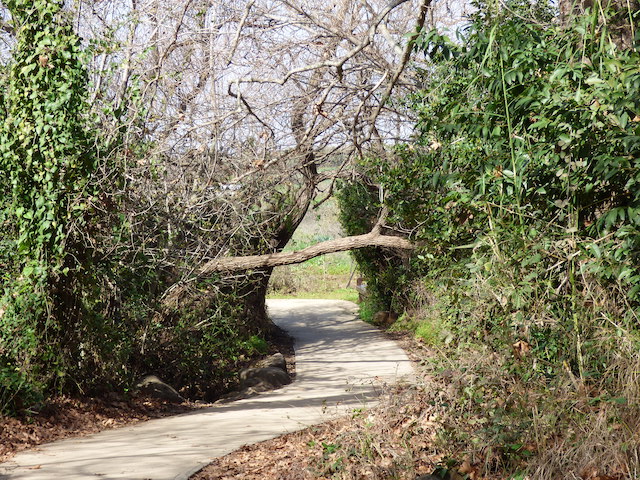
After Solomon, the kingdom was divided into the northern kingdom of Israel and the southern kingdom of Judah. Jeroboam, king of Israel, set up two centers of idol worship so that his people would not go down to the temple in Jerusalem. One of those centers was at Tel Dan. Below is an aluminum outline of how the pagan altar would have looked. Beneath are the remains of the original.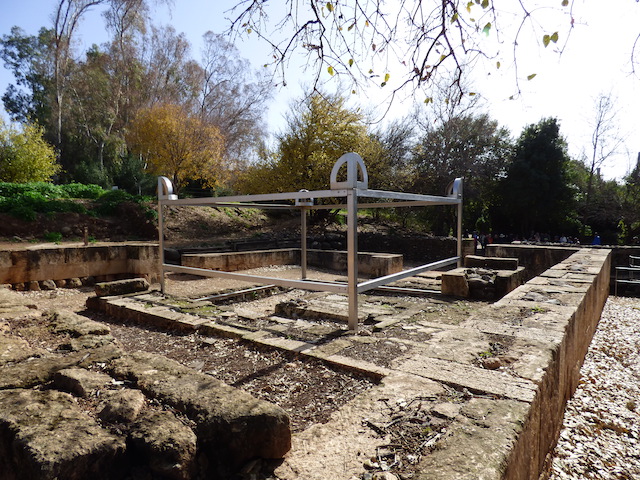
A cistern adjacent to the altar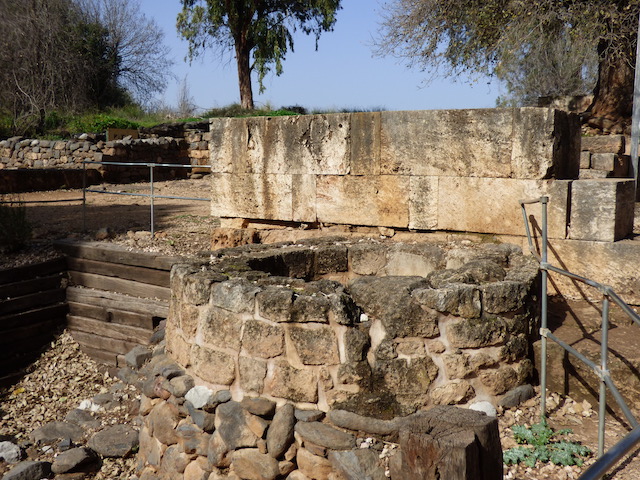
One of the most fascinating discoveries at Tel Dan is a city gate that dates from the time of Abraham. It is covered because (unlike most ancient structures in Israel) it is made of baked brick rather than stone. The covering is to protect it from erosion by rain.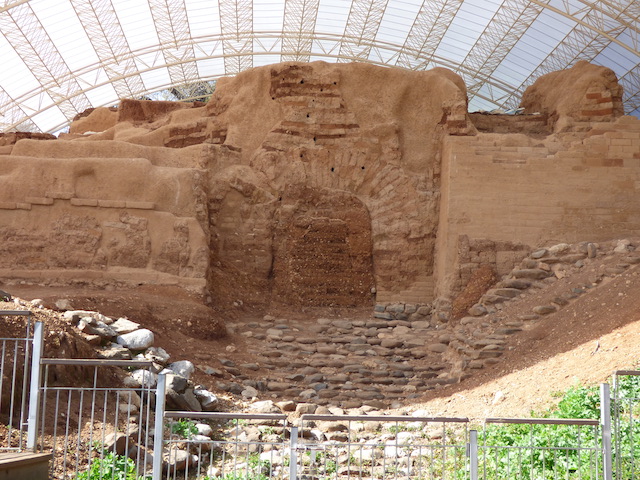
From Tel Dan you can see the Golan Heights, the border (often contested) between Israel and Syria. As you drive around this part of northern Galilee you find many areas fenced off with barbed wire and signs warning you of land mines left over form these conflicts.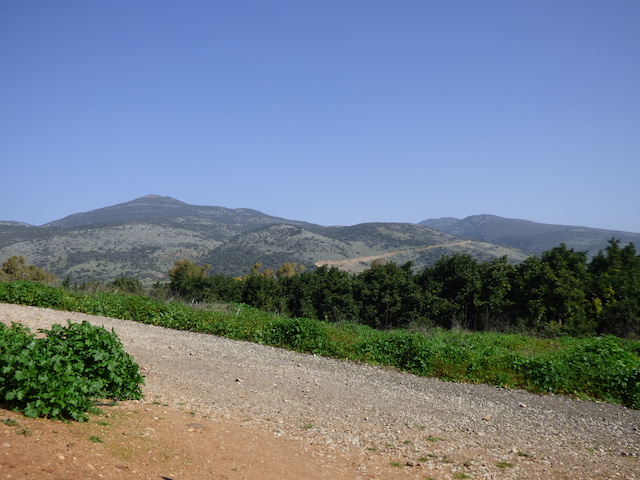
Another city gate of Dan, this one from the Israelite period.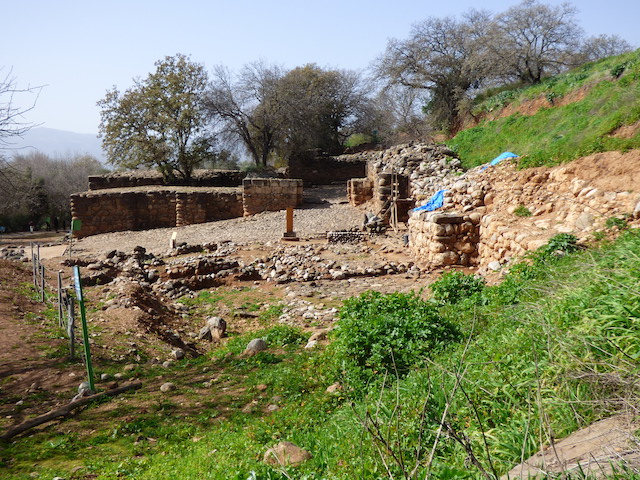
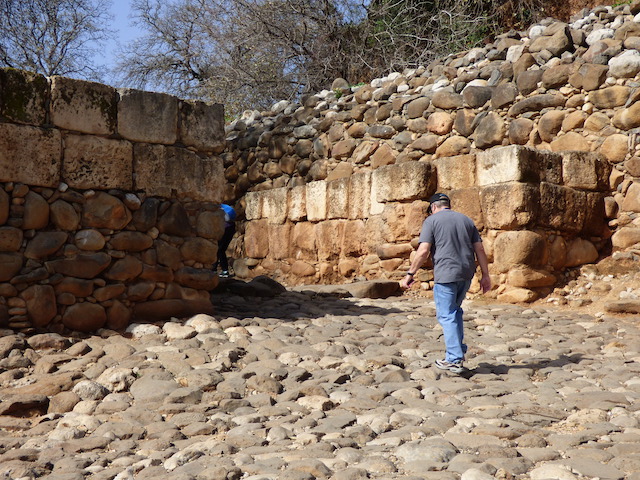
This pagan alter stands outside the city gate, waiting for departing travelers to offer sacrifices for safe travel or arriving travelers to offer sacrifices of thanksgiving for safe travel and success within the city.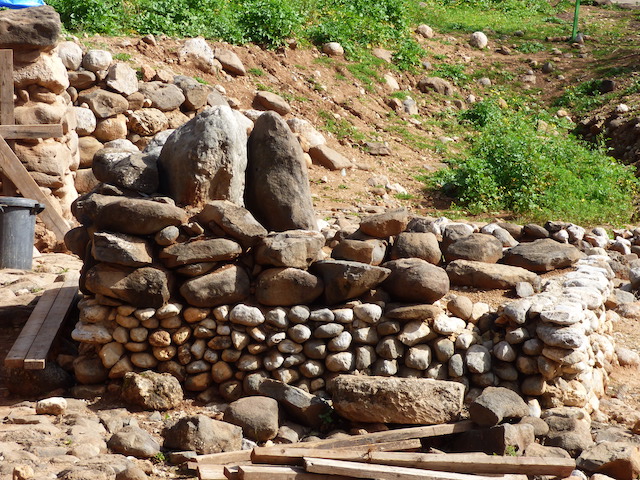
Caesarea Philippi
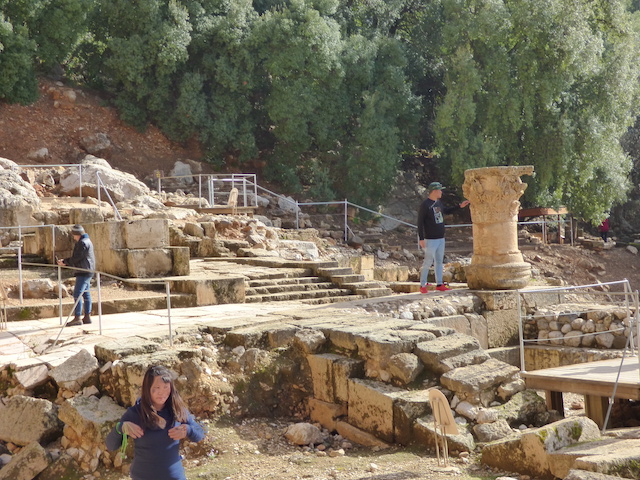
This is one of the cities visited by Jesus in northern Galilee. A major site of pagan worship, it is the location where Jesus asked His disciples who men said that he was. It is also where Peter declared, “You are the Christ, the Son of the Most High.”
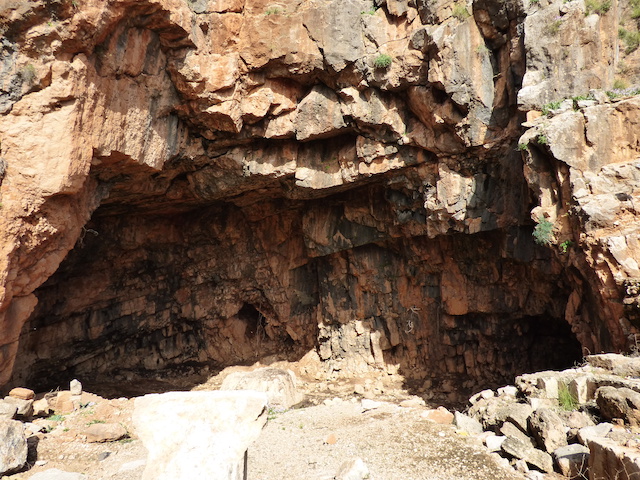
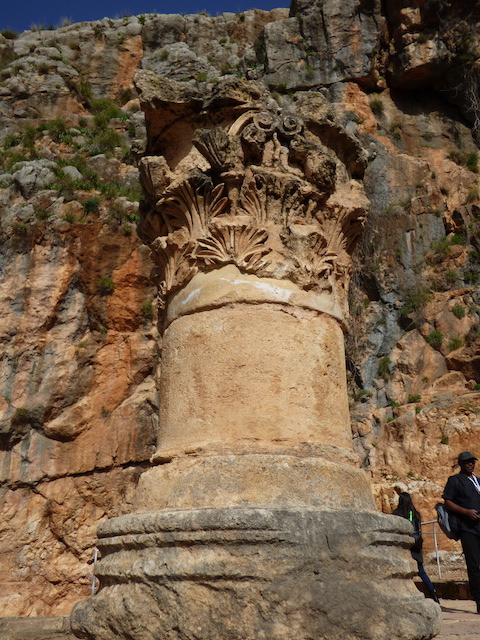
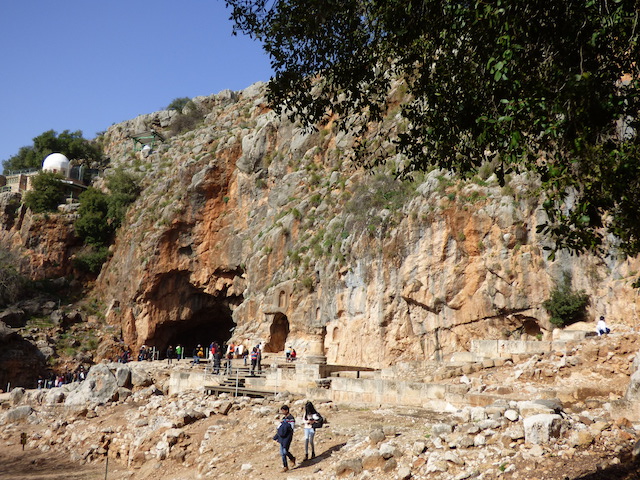
Jesus responded to Peter’s declaration by commending him and stating that the “Gates of Hell” would not be able to stand against it. This location had a temple to Pan adjacent to a cave in which was a fissure that appeared to be bottomless and thought by the ancients to be one of the passages to the underworld, or literally, “the gates of hell.” Josephus refers to this in Antiquities of the Jews 15,10,3. Here is that cave. Seismic activity has since caused the fissure to be sealed.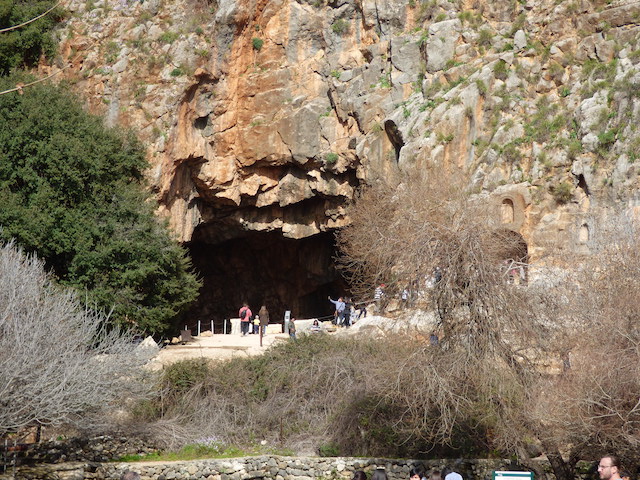
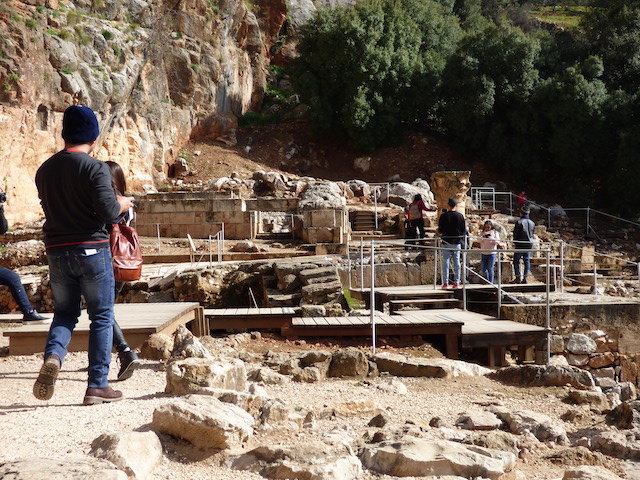
The cliff wall that contains the cliff also has many grottos carved into it.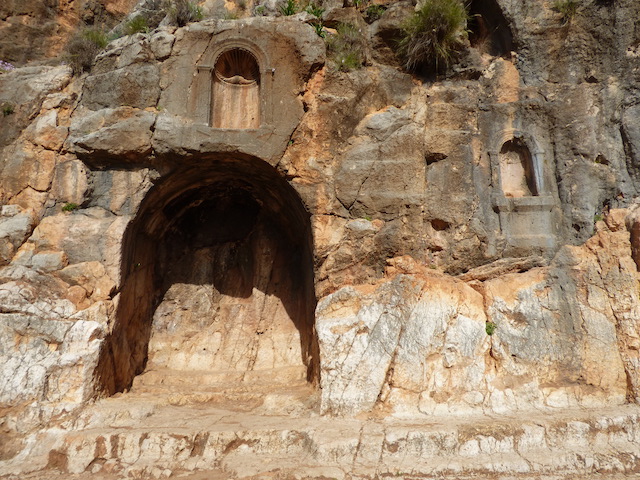
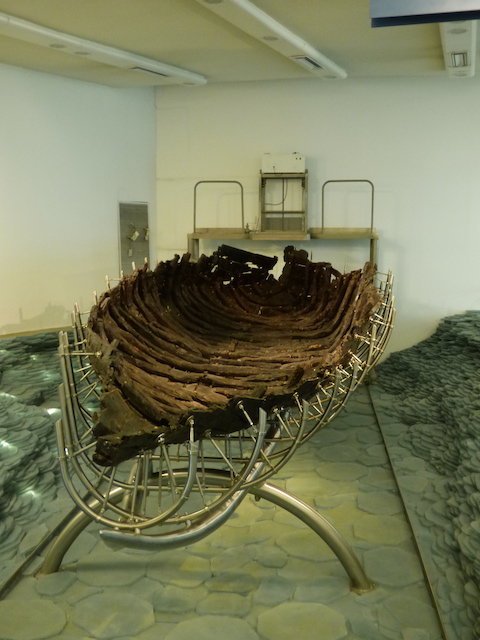
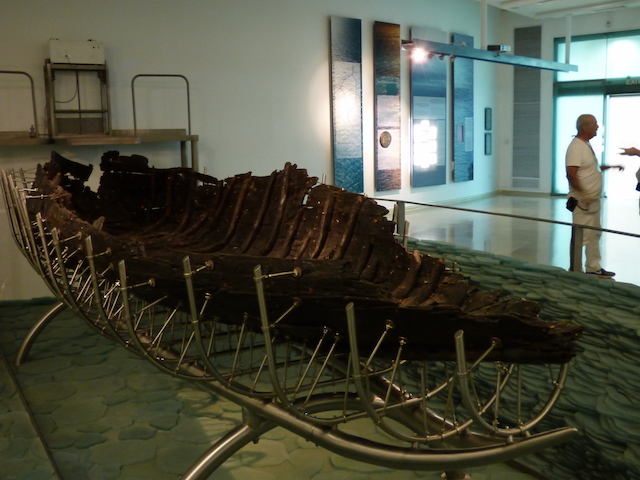
Ginosar – Ancient Galilee Boat Museum
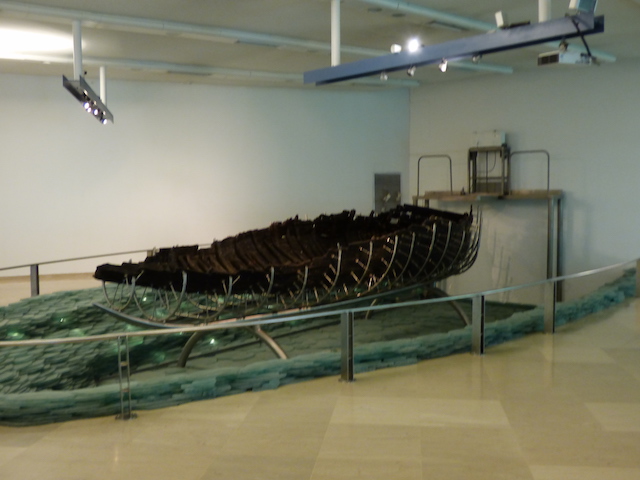
In 1986, a boat dating from the first century (contemporary with Jesus) was discovered in the Sea of Galilee during a period of severe drought. It is likely the same type of boat referred to in the Gospels used by both Jesus and his fisherman disciples.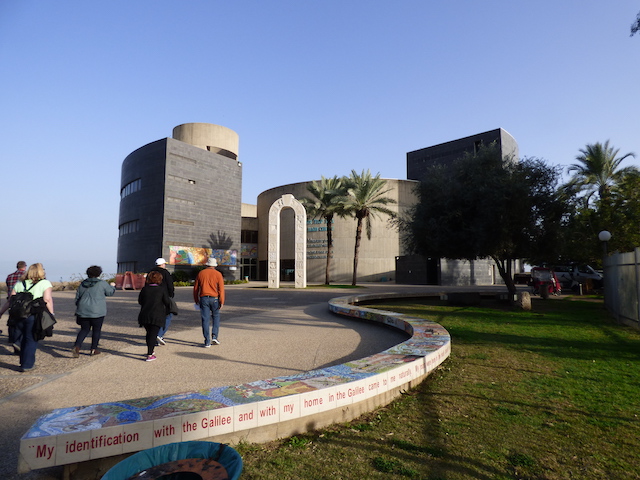
Sea of Galilee Cruise
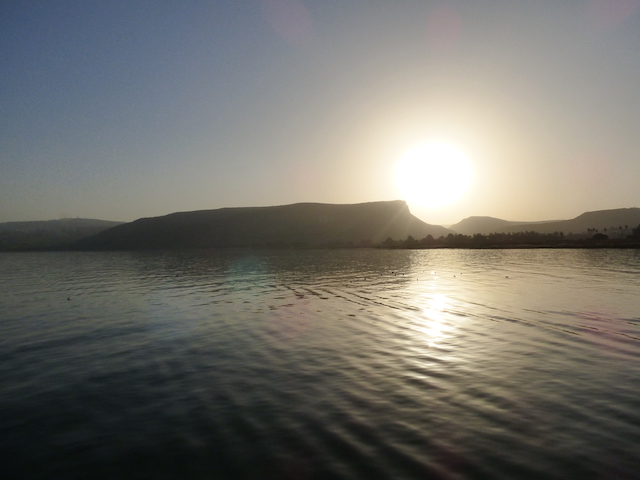
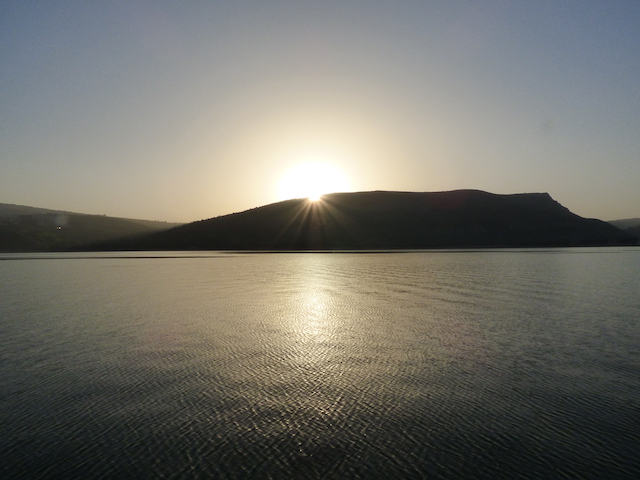
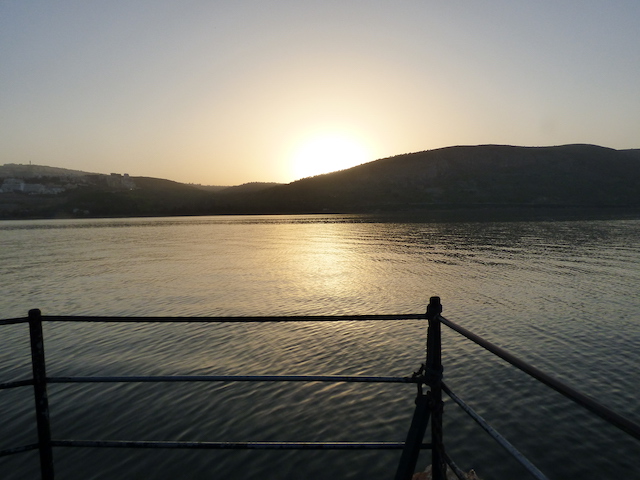
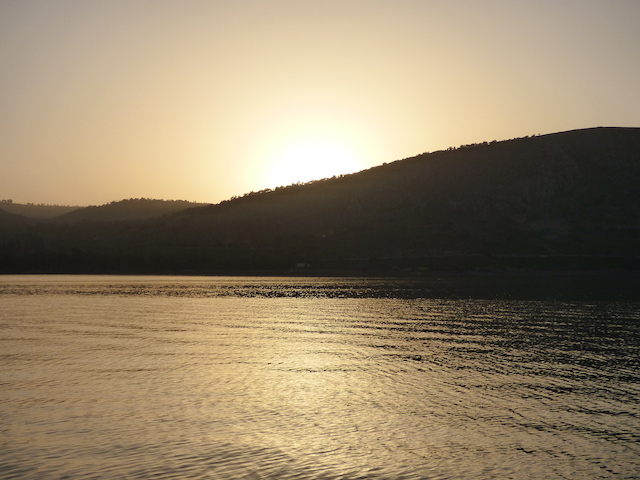
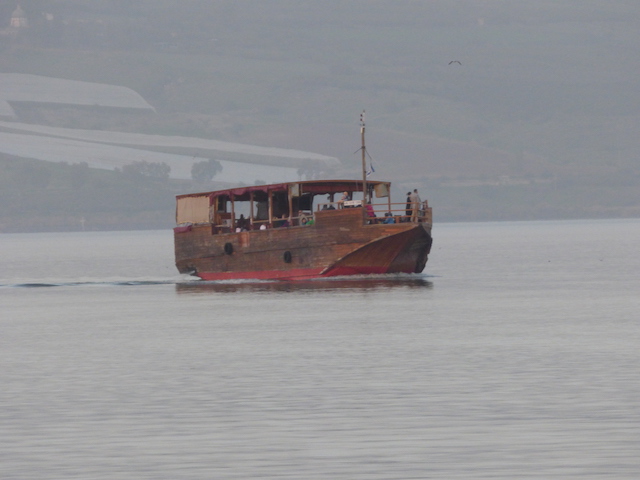
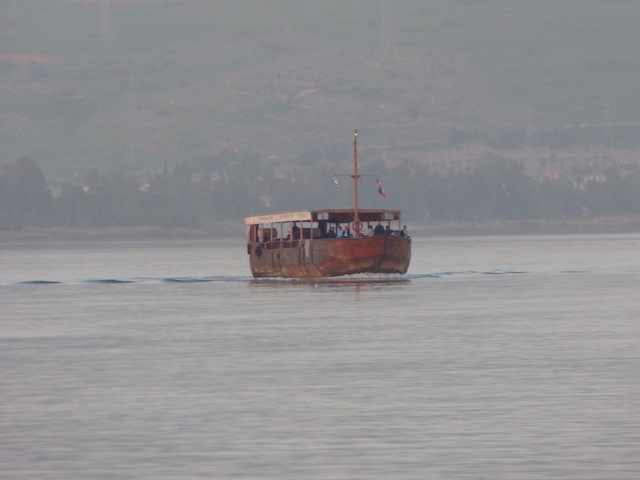
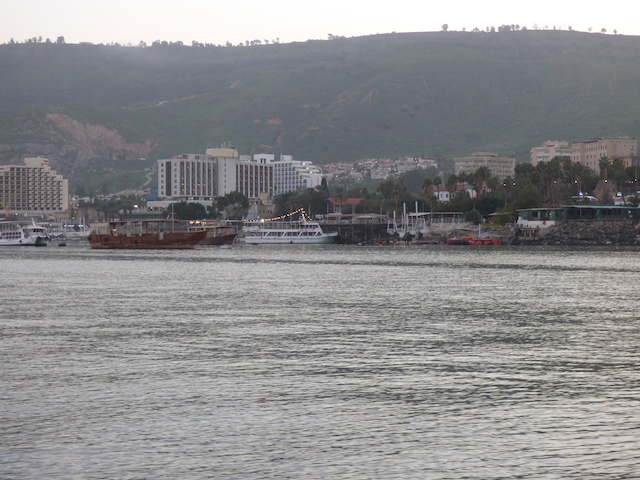
To finish up our day, we took a boat tour on the Sea Galilee. It was an amazing experience to be on this same body of water that is so often referred to in the Gospels.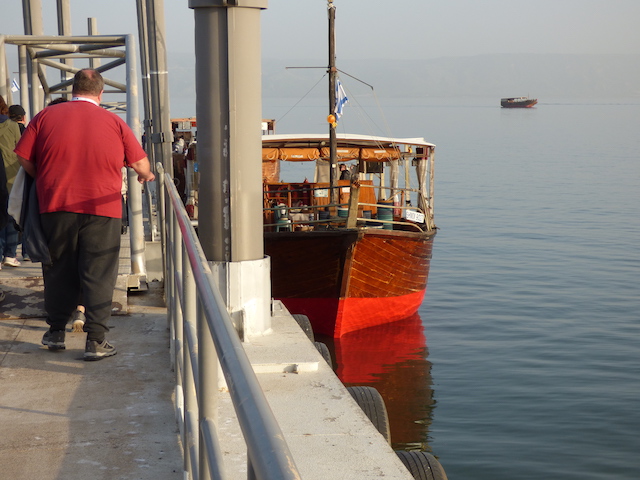
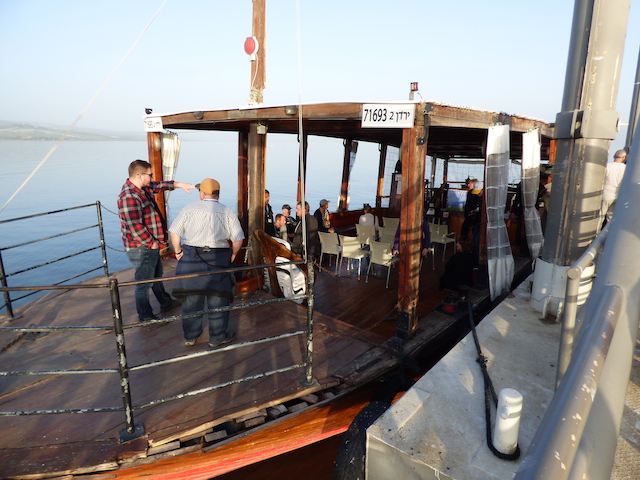
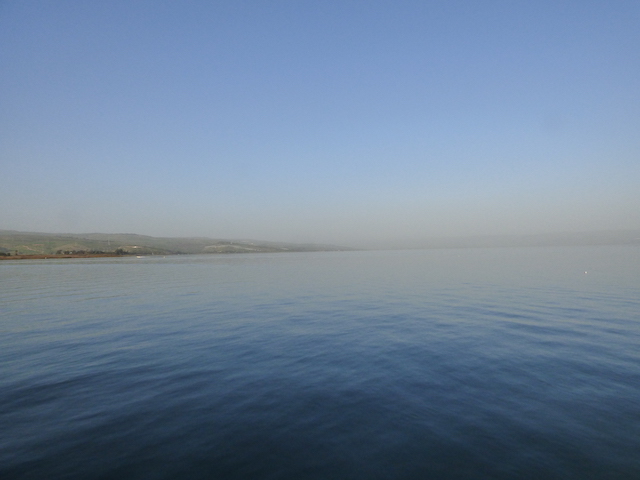
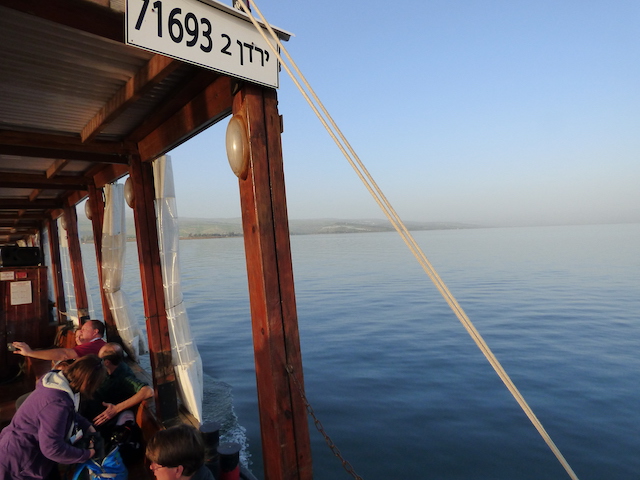
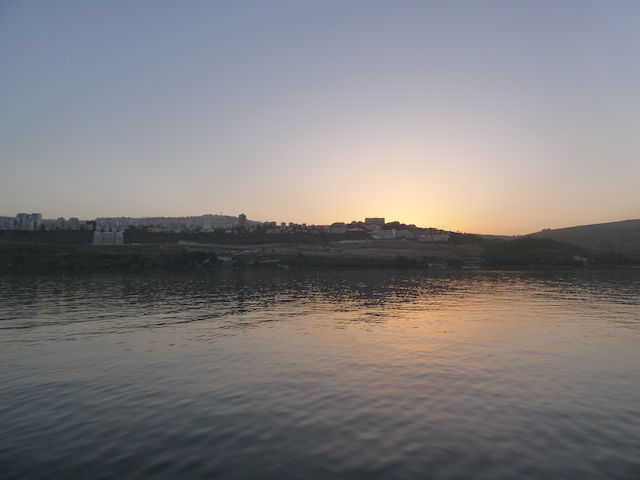
I couldn’t resist taking several “sunset” pictures of the sun setting over Mt. Arbel and the mountains behind the modern city of Tiberias